

Blogs

Cosmopolitan Mocktail with Kratom Seltzer: Classic Cranberry-Citrus Reinvented
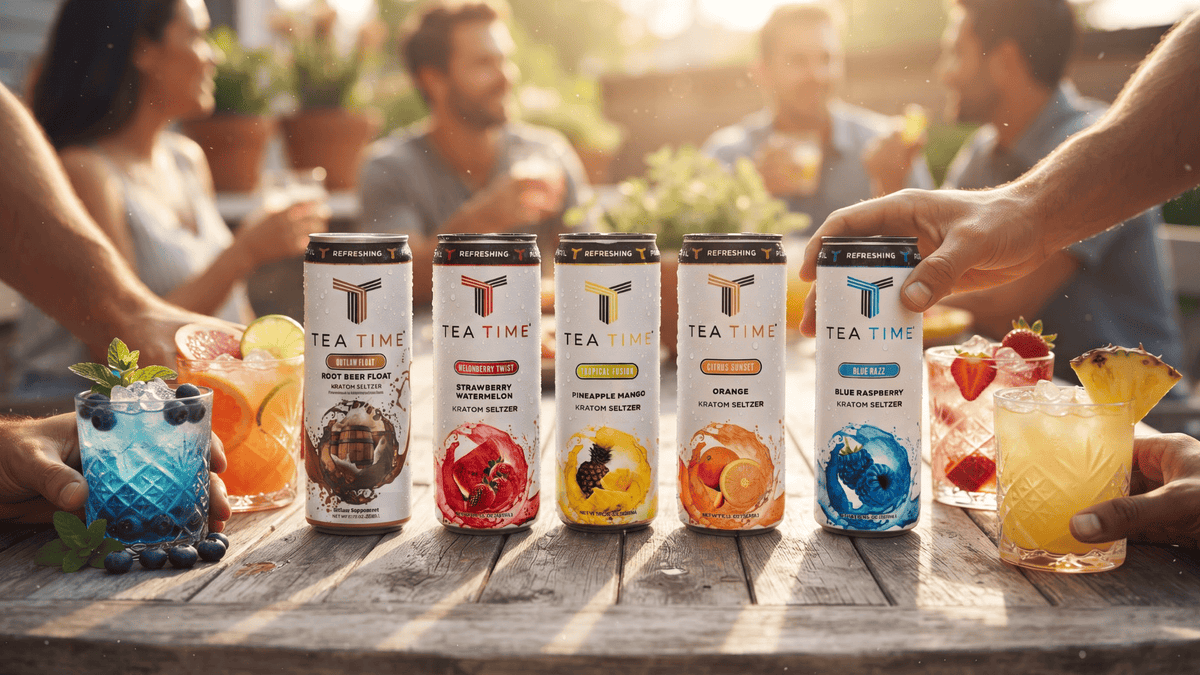
A Cosmopolitan mocktail is an alcohol-free version of classic Cosmo, bringing together the familiar flavors of cranberry, citrus, and lime without traditional vodka. This recipe replaces vodka with Tea Time Kratom Seltzer to add a sparkling botanical twist while keeping the bright, fruity character of the original drink. This non-alcoholic Cosmopolitan recipe combines: Cranberry juice for the signature Cosmo flavor Fresh lime and citrus notes for a balanced, tangy finish Tea Time Kratom Seltzer as a sparkling alcohol-free alternative Fruit-forward flavors like Blue Raspberry and Melon Berry to create a modern botanical cosmo drink We explored different Tea Time flavors to find which ones pair best with the classic cranberry-lime profile. After experimenting with multiple combinations, Blue Razz, Citrus Sunset, Tropical Fusion, and Melon Berry stood out as the strongest matches for the classic cranberry-lime profile. What Is a Cosmopolitan Mocktail? A Cosmopolitan mocktail is the alcohol-free version of the classic Cosmopolitan cocktail, a drink widely recognized for its bright cranberry and citrus flavor profile. The original Cosmo became a popular part of modern cocktail culture and gained even more attention through its connection with Sex and the City. A traditional Cosmopolitan typically combines vodka, cranberry juice, orange liqueur (triple sec), and fresh lime juice. The mocktail version keeps the same fruity balance but replaces the alcohol component with sparkling alternatives like Tea Time Kratom Seltzer to create a botanical, alcohol-free twist. While the exact ingredients can vary, a Cosmo-inspired mocktail usually focuses on: Cranberry juice for the signature tart fruit base Citrus flavors from lime and orange elements Sparkling mixers to add a refreshing texture Alcohol-free alternatives instead of vodka Classic Cosmopolitan Cosmopolitan Mocktail Vodka Tea Time Kratom Seltzer Triple sec (orange liqueur) Orange juice or orange syrup Cranberry juice Cranberry juice Fresh lime juice Fresh lime juice Cocktail shaker Mocktail shaker This simple swap keeps the recognizable cranberry-citrus character of a Cosmo while making it suitable for anyone looking for a non-alcoholic Cosmopolitan recipe. How to Make a Classic Cranberry-Citrus Cosmopolitan Mocktail This recipe combines cranberry juice, citrus notes, and Tea Time Kratom Seltzer for a sparkling take on the classic Cosmo. Tea Time Kratom Seltzer replaces the alcoholic base in this mocktail version, creating a modern drink with a fruit-forward finish. After testing different Tea Time flavors, Blue Raspberry and Melon Berry worked best with the cranberry-lime combination, bringing out the bright flavors of this reinvented Cosmo. Ingredients: 2 oz cranberry juice 1 oz Tea Time Kratom Seltzer (Blue Raspberry or Melon Berry) ½ oz fresh lime juice ½ oz orange juice Ice cubes Orange peel, lime wheel, or fresh cranberries for garnish Preparation method: Prepare the cranberry-citrus base: Add cranberry juice, fresh lime juice, and orange juice to a cocktail shaker filled with ice. Shake well to combine the tart cranberry notes with the citrus flavors. Add Tea Time Seltzer: Strain the mixture into a chilled martini or coupe glass. Slowly pour in Tea Time Kratom Seltzer to add carbonation while keeping the sparkling texture of the drink. Adjust the flavor balance: Choose Blue Raspberry for a stronger berry-forward version or Melon Berry for a softer fruit profile. Adjust the amount of cranberry juice or lime juice based on your preferred sweetness and citrus balance. Garnish and serve: Finish the mocktail with an orange peel, lime wheel, or fresh cranberries for a classic Cosmopolitan-inspired presentation. Serve immediately while the drink is chilled and sparkling. Finding the Best Tea Time Flavor for a Cosmopolitan Mocktail A classic Cosmopolitan is all about finding the right balance between tart cranberry, bright citrus, and subtle sweetness. When creating this alcohol-free version, the tea time flavor you choose can slightly change the personality of the drink. Each flavor brings something different to the recipe, but Blue Raspberry and Melon Berry are the closest matches for a classic cranberry-citrus cosmo profile. Tea Time Flavor Flavor Style Best For Blue Raspberry Berry-forward Bold Berry Cosmo Twist Melon Berry Sweet fruit notes Smooth, sweeter mocktail Citrus Sunset Citrus-forward Bright citrus variation Tropical Fusion Tropical fruit Fruitier Cosmo twist Root Beer Rich, unique flavor Experimental mocktail 1. Blue Raspberry: For a Bold Berry Twist on the Classic Cosmo Blue Raspberry adds a bright berry flavor that pairs naturally with cranberry juice and fresh lime. It creates a more vibrant version of the traditional Cosmopolitan while keeping the fruity character that makes the drink recognizable. If you enjoy a cranberry lime mocktail with stronger berry notes, this is the flavor to try. Best for: A bold, fruit-forward Cosmo-inspired drink. 2. Melon Berry: For a Smoother, Sweeter Mocktail Melon Berry offers a softer fruit profile that blends well with the tartness of cranberry juice. The sweeter notes help balance the citrus flavors, creating a smoother version of the classic drink. This pairing works well if you prefer a lighter and more approachable non-alcoholic Cosmopolitan recipe. Best for: A balanced and sweeter botanical Cosmo drink. 3. Citrus Sunset: For Extra Citrus Brightness If you love the citrus side of a Cosmopolitan, Citrus Sunset can bring more brightness to the recipe. Its citrus-forward character complements lime juice and cranberry while creating a sharper, more refreshing mocktail style. If you enjoy crisp citrus flavors and drinks with a brighter, tangier profile, Citrus Sunset is worth trying. Best for: Readers who prefer a crisp citrus-focused drink. 4. Tropical Fusion: For a Fruitier Vacation-Inspired Cosmo Tropical Fusion gives the classic cranberry-citrus combination a different direction with a more tropical fruit profile. It creates a fun variation for anyone who wants to experiment beyond the traditional Cosmo flavors. If you enjoy sweeter, tropical-style drinks with a fun fruit twist, Tropical Fusion offers a unique take on the classic Cosmo. Best for: A sweeter, tropical-inspired mocktail twist. 5. Root Beer: For a Completely Different Mocktail Experience Root Beer creates a completely different take on this recipe. It moves away from the traditional cranberry-citrus profile and works better for those who enjoy experimenting with unexpected mocktail combinations. If you enjoy trying unusual flavor combinations and experimenting with creative mocktails, root beer creates the most unexpected version. Best for: Anyone who enjoys trying unique flavor combinations. Can You Make a Batch Cosmopolitan Mocktail for a Party? Yes, this Cosmopolitan mocktail recipe can easily be prepared in a larger batch for parties, gatherings, or mocktail menus. The key is to prepare the cranberry-citrus mixture ahead of time and add Tea Time Kratom Seltzer right before serving. This helps maintain the drink’s sparkling texture and keeps the flavors fresh. For the best results, mix the juice ingredients together and chill them in the refrigerator before guests arrive. When you are ready to serve, add Tea Time Seltzer, stir gently, and garnish each glass with a citrus peel or fresh cranberries. Party Batch (6 servings) Ingredients: 12 oz cranberry juice 3 oz fresh lime juice 3 oz orange juice 6 oz Tea Time Kratom Seltzer (Blue Raspberry or Melon Berry recommended) Ice cubes Orange peels, lime wheels, or fresh cranberries for garnish Preparation method: Prepare the cranberry-citrus mixture: Combine cranberry juice, lime juice, and orange juice in a large pitcher. Stir well and refrigerate until ready to serve. Add Tea Time Seltzer before serving: Pour in the Kratom Seltzer just before guests arrive. Mix gently to preserve the carbonation. Serve and garnish: Fill glasses with ice, pour the mocktail mixture, and finish with your preferred garnish for a party-ready Cosmopolitan mocktail. For a larger gathering, simply scale the ingredients while keeping the same ratio of cranberry juice, citrus juices, and Tea Time Seltzer. Final Thoughts: A Classic Cosmo Reimagined With Tea Time Seltzer A Cosmopolitan mocktail shows how a classic cocktail-inspired drink can be reinvented with a modern twist. By combining the familiar flavors of cranberry, lime, and citrus with Tea Time Kratom Seltzer, this recipe creates a sparkling, alcohol-free version of the iconic Cosmo. Key takeaways: Keeps the classic flavor profile: Cranberry juice and citrus notes maintain the signature taste people associate with a Cosmopolitan. Adds a sparkling twist: Tea Time Seltzer brings a new texture and fruit-forward character to the traditional recipe. Offers flavor flexibility: Blue Raspberry and Melon Berry work well for a classic Cosmo-inspired taste, while Citrus Sunset and Tropical Fusion create unique variations. Works for different occasions: This mocktail can be prepared for parties, brunches, celebrations, or anytime you want a cocktail-style drink without traditional alcohol. Whether you prefer a bold berry flavor or a sweeter fruit combination, this reinvented cranberry citrus mocktail makes it easy to create your own version of a modern botanical Cosmo. FAQs 1. What is in a Cosmopolitan mocktail? A Cosmopolitan mocktail typically includes cranberry juice, fresh lime juice, citrus flavors, and an alcohol-free alternative instead of vodka. This version adds Kratom Seltzer for a sparkling twist on the classic cranberry-citrus drink. 2. What can I use instead of vodka in a Cosmopolitan? You can replace vodka in a Cosmopolitan with sparkling beverages, non-alcoholic mixers, or botanical seltzers. In this recipe, Tea Time Kratom Seltzer adds carbonation and fruit flavor while keeping the drink alcohol-free. 3. Does a Cosmopolitan mocktail taste like the original? A Cosmopolitan mocktail keeps the signature cranberry and citrus notes of the original cocktail but has a different flavor profile because it does not contain vodka or orange liqueur. The addition of Tea Time Seltzer creates a lighter, sparkling variation. 4. How many calories are in a Cosmopolitan mocktail? The calories in a Cosmopolitan mocktail depend on the ingredients used, especially the type of cranberry juice and any added sweeteners. For an accurate estimate, check the nutrition information of each ingredient. 5. What Tea Time flavor works best for a Cosmo mocktail? Blue Raspberry and Melon Berry are great choices for a Cosmo-inspired mocktail because their fruit profiles pair well with cranberry and lime. Citrus Sunset also works well if you prefer a brighter citrus-forward variation. 6. Can I make a batch of Cosmopolitan mocktails for a party? Yes, a Cosmopolitan mocktail can be prepared in larger batches for parties or gatherings. Mix the cranberry, lime, and orange juice ahead of time, then add Tea Time Seltzer just before serving to keep the drink sparkling. 7. What garnish goes on a Cosmopolitan mocktail? Common garnishes for a Cosmopolitan mocktail include an orange peel, lime wheel, or fresh cranberries. These add a classic cocktail-inspired look while complementing the cranberry and citrus flavors of the drink.
Continue Reading
Strawberry Daiquiri Recipe with Kratom Seltzer: A Perfect Botanical Twist
Strawberry Daiquiri Mocktail combines fresh strawberries, lime juice, and Tea Time Melonberry Kratom Seltzer for a sparkling non-alcoholic twist on the classic frozen cocktail. The recipe takes about 5 minutes and uses simple ingredients you can prepare at home. I've probably made a hundred virgin daiquiris at this point for barbecues, for my sister's baby shower, for random Tuesday nights when I wanted something that felt like a treat. And the one thing that used to bug me every single time was watching a good drink turn into a puddle. You blend it up, it's gorgeous for the first five minutes, and then the ice melts, and the soda goes flat, and you're left with pink sugar water. The fix I landed on, after way too many rounds of trial and error, is embarrassingly simple: stop putting the fizz in the blender. Make the strawberry base the way you normally would, then pour the sparkling part over the top right before you hand it to someone. This sparkling strawberry daiquiri works especially well for weekend gatherings, brunch tables, and warm-weather celebrations. If you are looking for more drink ideas beyond this recipe, explore our guide to the best brunch drinks for more classic and creative options. What You'll Need 1 cup fresh strawberries, hulled: about 5 to 6 medium berries. I don't bother measuring precisely; I just fill a measuring cup until it looks right. Frozen strawberries work fine too if that's what you've got 1 oz fresh lime juice: one lime, squeezed. I know bottled lime juice is sitting right there in your fridge door, but this is the one place in the whole recipe where fresh actually changes the drink. 1–2 tsp simple syrup or honey: start with 1 teaspoon and taste before adding more. Strawberries are wildly inconsistent depending on the season; the ones I get in June barely need sweetener, the ones in October need a bit more help. 1 can Tea Time Melonberry Kratom Seltzer: this is the strawberry watermelon flavor, and it's the one I'd actually recommend out of their lineup for this specific drink. Ice A strawberry or lime wheel for garnish, if you're feeling like it How to Make a Strawberry Daiquiri Mocktail with Kratom Seltzer To prepare a Strawberry Daiquiri mocktail, follow these steps: Step 1: Prepare the strawberry base Start by washing and hulling your strawberries. If you are using fresh strawberries, slice larger berries into smaller pieces so they blend more easily. Add the strawberries, fresh lime juice, and simple syrup to a blender. Blend until the mixture becomes smooth and slightly thick. Recipe tip: If your strawberries are not very sweet, add a little extra syrup. If they are perfectly ripe, you may not need much at all. Step 2: Add ice and blend until smooth Add about ½ cup of ice to the strawberry mixture and blend again until you reach a frozen daiquiri-style texture. For a thicker drink, use frozen strawberries and reduce the amount of ice. For a lighter, more drinkable texture, use fresh strawberries with a little extra ice. Step 3: Pour into a chilled glass Pour the blended strawberry mixture into a chilled serving glass, leaving some space at the top for the seltzer. Chilling the glass beforehand helps the drink stay colder and keeps the sparkling finish fresh for longer. Step 4: Add the Kratom Seltzer Slowly pour Tea Time Melonberry Kratom Seltzer over the strawberry mixture. Add it after blending instead of blending it with the fruit. This keeps the carbonation intact and gives the drink a lighter, sparkling finish. Give the drink one gentle stir to combine the flavors without losing too much fizz. Step 5: Garnish and serve immediately Finish your strawberry daiquiri mocktail with a fresh strawberry, lime wheel, or a small mint garnish. Serve right away while the drink is cold and bubbly. Looking for more ways to use Kratom Seltzer in classic drinks? Explore more ideas in our guide to Kratom Seltzer mocktail recipes, featuring sparkling twists on favorites like mojitos, margaritas, and other alcohol-free drinks. Tips for Making the Best Strawberry Daiquiri Mocktail Let cold strawberries sit out for ten minutes before blending. Straight-from-the-fridge berries don't puree as smoothly, and you end up with a chunkier base than you want. Taste and adjust the sweetness before you add the seltzer, not after. The seltzer isn't sweet — it's not going to rescue an under-seasoned base — so get the strawberry-lime balance right first. Don't blend the seltzer in, ever. I tried this exactly once, mostly because I was being lazy and didn't want to pour two things separately. About ten seconds in the blender and nearly all the carbonation was gone. Pour it on top, every time, no exceptions. Chill your glass if you have five minutes to spare. A room-temperature glass takes the fizz down faster than you'd think. If you're making a batch for a group, build the strawberry-lime base ahead and keep it in the fridge, then pour the seltzer can by can into each glass as you serve, not into a shared pitcher. That way, the last round of drinks stays just as fizzy as the first. Frequently Asked Questions Can I make a strawberry daiquiri without alcohol? Yes. A strawberry daiquiri mocktail replaces rum with a non-alcoholic ingredient while keeping the classic combination of strawberries, lime juice, and sweetness. This version uses Tea Time Melonberry Twist Kratom Seltzer for a sparkling twist. Should I use fresh or frozen strawberries for a strawberry daiquiri? Both work well. Fresh strawberries create a brighter fruit flavor, while frozen strawberries help create a thicker, colder texture with less added ice. Many frozen strawberry daiquiri recipes use frozen fruit to achieve a smoother consistency. Can I blend Kratom Seltzer into the strawberry daiquiri? It is best to add the Kratom Seltzer after blending. Mixing carbonated drinks in a blender removes most of the fizz. Pour the seltzer over the finished strawberry base and stir gently before serving. For more details, read our What Tea Time Kratom Seltzer flavor works best for a strawberry daiquiri? Melonberry Twist is a natural pairing among the Kratom seltzer flavors because its strawberry-watermelon flavor complements the fresh strawberry base without overpowering the lime. It adds carbonation while keeping the drink fruit-forward. Can I make the strawberry daiquiri mixture ahead of time? Yes. You can prepare the strawberry and lime base ahead and store it in the refrigerator. Add the Kratom Seltzer only when serving so the drink keeps its carbonation. How do I make a strawberry daiquiri less sweet? Reduce the amount of simple syrup and let the natural sweetness of ripe strawberries shine through. Adding a little extra lime juice can also balance the sweetness. More Tea Time Kratom Seltzer Recipes You Can Try Espresso Martini Mocktail with Kratom Seltzer Virgin Margarita with Kratom Seltzer Shirley Temple Mocktail with Kratom Seltzer How to Make a Virgin Mojito with Kratom Seltzer How to Make a Virgin Piña Colada Using Kratom Seltzer Arnold Palmer Mocktail with Kratom Seltzer
Continue Reading
Apple Cider Mocktail with Kratom Seltzer: The Perfect Fall Botanical Recipe
An apple cider mocktail is a non-alcoholic fall drink made by combining fresh apple cider with a sparkling mixer and warm spices, then serving it cold over ice. This version swaps the usual club soda or ginger ale for Kratom seltzer, keeping the spiced-apple flavor people want in a fall drink with cleaner fizz and a lighter finish. I've made a lot of fall mocktails over the years, and this is the one I keep coming back to. Warm apple cider meets cold, fizzy Kratom seltzer, with just enough cinnamon and citrus to keep it from tasting flat. It takes five minutes, needs no bar tools, and holds its fizz longer than most seltzer-based drinks I've tested, which matters more than people think once you're serving a pitcher at a party. Key Takeaways An apple cider mocktail with Kratom seltzer combines fresh apple cider, a splash of lemon, warm fall spice, and a chilled botanical seltzer instead of soda or sparkling wine. This version uses Outlaw Float Kratom Seltzer for its vanilla-cream, spiced root beer profile, which mirrors the warmth of mulled cider better than a fruitier flavor does. The ratio that holds up best after repeated testing is 2 parts apple cider to 1 part Kratom seltzer, added last and poured gently to protect the carbonation. It's alcohol-free, ready in about 5 minutes, and scales easily from a single glass to a party-sized batch. A cinnamon-sugar rim and a cinnamon stick garnish are optional but make it look like a seasonal drink instead of spiked juice. Table of Contents What Is an Apple Cider Mocktail with Kratom Seltzer? Apple Cider Mocktail Kratom Seltzer Recipe at a Glance Ingredients Equipment You'll Need How to Make an Apple Cider Mocktail with Kratom Seltzer Which Tea Time Flavor Works Best in Apple Cider Mocktail? Tips From Testing This Apple Cider Mocktail Recipe Serving It for a Fall Gathering FAQs What Is an Apple Cider Mocktail with Kratom Seltzer? An apple cider mocktail with Kratom seltzer is a non-alcoholic fall drink that swaps out the usual soda, ginger ale, or sparkling wine for a botanical Kratom seltzer. You get the same layered, spiced apple flavor people expect from a fall drink, but with a cleaner carbonation and a lighter finish than cider mixed with regular club soda gives you. What separates this from a basic cider-and-seltzer pour is the ratio and the order you add things in. Most people dump seltzer straight into cold cider and end up with something flat within ten minutes. I build the base first — cider, a little fresh lemon juice, a light hit of cinnamon, chill it, and only add the Kratom seltzer right before serving. That's the difference between a drink that's still fizzy on the second glass and one that isn't. Apple Cider Mocktail Kratom Seltzer Recipe At A Glance Detail Information Prep Time 5 minutes Servings 1 serving, scalable to a pitcher Difficulty Easy Glass Highball or mason jar Main Base Fresh apple cider Botanical Ingredient Tea Time Outlaw Float Kratom Seltzer Alcohol None Best Season Fall and early winter Garnish Cinnamon stick and apple slice Ingredients For one serving: 4 oz fresh apple cider, chilled 4 oz Outlaw Float Kratom Seltzer 1 teaspoon fresh lemon juice 1 cinnamon stick, plus a pinch of ground cinnamon for the rim (optional) 2–3 thin apple slices, for garnish Ice For a party batch (8 servings) Ingredient Amount Apple Cider 4 cups Outlaw Float Kratom Seltzer 4 cups (about 4 cans) Fresh Lemon Juice 2 tablespoons Cinnamon Sticks 8, for garnish Apple Slices 1–2 apples, thinly sliced Equipment You'll Need Highball glass or mason jar Small pitcher (for batching) Sharp knife and cutting board for apple slices Measuring cup or jigger How to Make an Apple Cider Mocktail with Kratom Seltzer Step 1: Chill everything first Cold ingredients hold carbonation better than room-temperature ones. Keep your cider and seltzer in the fridge until you're ready to build the drink, not just the ice. Step 2: Build the cider base In your glass, combine the apple cider and fresh lemon juice. The lemon isn't optional; straight cider tastes one-note once seltzer dilutes it, and a small amount of acid keeps the drink from turning cloying. Step 3: Fill with ice Fill the glass most of the way with ice before adding any carbonated element. Adding ice after the seltzer knocks the fizz down fast. Step 4: Add the Kratom seltzer last Pour the Outlaw Float Kratom Seltzer slowly down the side of the glass, not straight down the middle. This preserves the bubbles instead of blowing them off on contact. Step 5: Stir once, gently One slow turn with a bar spoon is enough to combine the layers. Stirring hard flattens the drink. Step 6: Garnish and serve immediately Add a cinnamon stick and a couple of apple slices along the rim. Serve right away; this drink doesn't hold up well pre-mixed. Which Tea Time Flavor Works Best in Apple Cider Mocktail? I've tested this with a few different flavors from the lineup, and they're not interchangeable; the flavor you pick changes the drink more than people expect. Outlaw Float: the best match. Its vanilla-cream, spiced root beer profile leans into the same warm, slightly caramelized notes you get from mulled cider, so the drink reads as cohesive instead of like two things stacked on top of each other. Citrus Sunset: a good pick if you want a brighter, less cozy version. The citrus notes cut the sweetness of the cider and work well for an early-fall or daytime pour. If you're deciding between the two that actually work, choose Outlaw Float for a cozy, dessert-adjacent drink, and Citrus Sunset for something lighter. Tips From Testing This Apple Cider Mocktail Recipe Use real apple cider, not filtered apple juice. Cider has more body and a rounder flavor that holds up against carbonation; juice tends to taste watery once diluted. Don't skip the lemon juice. It's a small amount, but it keeps the drink from tasting flat and one-dimensional after the first few sips. Rim the glass with cinnamon sugar if you want it to look like a seasonal specialty drink rather than something thrown together. Wet the rim with a lemon wedge first so the sugar sticks. Batch the cider-lemon base ahead of time and refrigerate it, but always add the seltzer right before serving. This is the single biggest difference between a good version of this drink and a mediocre one. If you're serving a crowd, set out seltzer cans instead of pre-mixing the whole pitcher with carbonation. Let guests top their own glass so nobody's drink goes flat waiting in line. Serving This Non Alcoholic Apple Cider Drink For A Fall Gathering This one works well anywhere you'd normally put out cider or a fall punch: Friendsgiving, a bonfire, a football watch party, as a brunch drink, or a casual weeknight dinner. It pairs naturally with: Fall appetizers: cheese boards, roasted nuts, caramel or candy apples Comfort food spreads: chili, mac and cheese, pulled pork sliders Dessert tables: apple pie, pumpkin bread, spiced cookies If you're building out a full alcohol-free fall drink menu, this one pairs well next to a Moscow Mule mocktail for a ginger-forward option, or an espresso martini mocktail if you want something for later in the evening. FAQs What is an apple cider mocktail made of? It's typically fresh apple cider combined with a sparkling element like club soda, ginger ale, or a botanical seltzer plus warm fall spice like cinnamon. This version uses Kratom seltzer instead of soda for a cleaner, less sugary finish. Can I use apple juice instead of apple cider? You can, but the texture and flavor will be thinner. Cider is unfiltered and has more body, which holds up better once you add carbonation. Which Kratom seltzer flavor is best for an apple cider mocktail? Outlaw Float, because its root beer and vanilla-cream notes pair naturally with cinnamon and apple. Citrus Sunset is the best alternative for a brighter, less spiced version. Can I make this ahead of time for a party? Prep the cider-and-lemon base ahead and refrigerate it, but hold the Kratom seltzer until you're ready to serve so the drink stays carbonated. Is this drink served hot or cold? It's served as a cold, sparkling drink. If you want a warm version, gently heat the cider with spices first, then let it cool before adding the chilled seltzer so it doesn't go flat. How do I keep an apple cider mocktail fizzy longer? Chill every ingredient before mixing, pour the seltzer down the side of the glass rather than straight in, and stir only once, gently. Does this mocktail taste like alcoholic spiked cider? It's meant to land in that same warm, spiced flavor territory, but it's completely alcohol-free no fermentation, just cider and a botanical seltzer. How many calories are in this apple cider mocktail? It varies by cider brand and how much sweetener you add. Most of the calories come from the cider itself rather than the seltzer. More Fall Kratom Seltzer Recipes to Try If you liked this one, explore more alcohol-free Tea Time recipes: Best Mocktails with Kratom Seltzers: Classic Recipes with a Botanical Twist Sangria Mocktail with Kratom Seltzer Shirley Temple Mocktail with Kratom Seltzer Moscow Mule Mocktail with Kratom Seltzer Explore the full Kratom Seltzer collection, or check the lab analysis reports for batch-specific product information. Disclaimer: This recipe is for informational and culinary purposes only. Kratom seltzer is intended for responsible adult use and should be consumed in moderation. Do not mix kratom seltzer with alcohol, medications, or other substances. Always check local regulations regarding kratom products before use, and consult a healthcare professional if you have any medical conditions or concerns.
Continue Reading
Cranberry-Lime Mocktail with Kratom Seltzer: Best Non-Alcoholic Drink to Try This Fall
A Cranberry-Lime Mocktail with Kratom Seltzer is a festive non-alcoholic drink made with cranberry juice, fresh lime, sweetener, and sparkling botanical seltzer. Ready in about 5 minutes, this fall-inspired mocktail combines tart cranberry flavors with bright citrus notes and fizzy carbonation. As the crisp autumn air settles in and the leaves start to turn, our drink cravings naturally shift away from icy summer lemonades toward something deeper, bolder, and a bit more comforting. But hosting a fall gathering or winding down on a cool evening doesn’t mean you have to reach for alcohol. This season, the best beverage on the menu is a Cranberry-Lime Mocktail infused with Kratom Seltzer from Tea Time. It’s tart, incredibly refreshing, and brings a unique, relaxing botanical twist to your glass. Cranberry Lime Mocktail at a Glance Detail Information Prep Time 5 minutes Servings 1 mocktail Category Non-alcoholic fall drink Main Ingredients Cranberry juice, lime juice, Tea Time Kratom Seltzer Best For Fall gatherings, holiday menus, evening mocktail options Cranberry Lime Mocktail Recipe Here’s the cranberry mocktail recipe: Ingredients 4 oz 100% pure cranberry juice (unsweetened for a sharper bite) 1 oz freshly squeezed lime juice 0.5 oz Simple syrup, agave nectar, or maple syrup (adjust to your taste) 4 oz Tea Time Drinks Kratom Seltzer (Citrus Sunset or Melonberry ) Ice Garnish: A sprig of fresh rosemary and a few frozen cranberries How to Make Cranberry Lime Mocktail Kratom Seltzer: Step-by-Step Prep time: 5 minutes Servings: 1 mocktail Instructions Build the Base: In a cocktail shaker or a tall mixing glass, combine the cranberry juice, fresh lime juice, and your sweetener of choice. Chill: Add a handful of ice and stir or gently shake until the liquid is thoroughly chilled and the sweetener is completely integrated. Strain: Pour the mixture through a strainer into a highball glass packed with fresh ice. Top & Fizz: Slowly pour the Tea Time Kratom Seltzer directly over the top. Give it one very gentle, brief stir with a spoon so you don't lose any of that refreshing carbonation. Garnish & Serve: Add rosemary and frozen cranberries as garnish. Serve immediately while chilled. Mixology Tips for the Perfect Pour Watch the Carbonation: Always add your seltzer last. Shaking carbonated drinks creates a mess and flattens the bubbles instantly. Go Fresh on the Lime: Avoid the plastic, squeeze-bottle lime juice from the grocery aisle. Freshly squeezed lime juice provides the essential oils and crisp acidity required to balance out the botanical ingredients. Give this recipe a try at your next seasonal gathering, and let us know which seltzer flavor you paired it with! Looking for more creative alcohol-free drink ideas? Explore more Tea Time mocktail recipes for seasonal beverages made with botanical seltzers. Why You’ll Love This Fall Mocktail Classic fall drinks often lean heavily into overwhelming spices like cinnamon and nutmeg. This recipe takes a different, more sophisticated direction. It combines the bold, sharp tartness of harvest cranberries with a bright pop of fresh lime. To elevate it from a simple juice blend into a true functional beverage, we top it off with a premium botanical seltzer. It gives you all the social complexity and fizz of a craft cocktail that’s entirely alcohol-free. Planning a larger gathering? Explore more party drink recipes and ideas for easy beverage inspiration that works for holidays, celebrations, and group events. FAQs What is a cranberry lime mocktail made of? A cranberry lime mocktail is typically made with cranberry juice, fresh lime juice, a sweetener of choice, and a sparkling ingredient like Tea Time Kratom Seltzer. Ice and seasonal garnishes like rosemary or frozen cranberries often add a festive touch. How do I make a cranberry lime mocktail for a crowd? To make a cranberry lime mocktail for a crowd, prepare a larger batch of cranberry juice, lime juice, and sweetener in advance. Add Tea Time Kratom Seltzer right before serving to keep the carbonation fresh. For a 12-serving pitcher, use 12 cans of Tea Time Kratom Seltzer. What Tea Time flavor goes best with cranberry juice? Citrus Sunset and Melonberry Twist pair well with cranberry juice because their fruit-forward profiles complement the tart cranberry and lime flavors. The best choice depends on whether you prefer a brighter citrus note or a sweeter berry-style combination. Is cranberry lime mocktail good for Thanksgiving? Yes, cranberry lime mocktails are a great fit for Thanksgiving and other fall gatherings. They are also a popular choice among those looking for non-alcoholic drinks for holiday menus. The deep cranberry color, citrus notes, and festive garnishes like rosemary and cranberries make them a seasonal non-alcoholic drink option. Can I make a cranberry mocktail without sugar? Yes, you can make a cranberry lime mocktail without added sugar by using unsweetened cranberry juice and skipping simple syrup. You can adjust the flavor by choosing a naturally sweeter cranberry juice blend or adding your preferred sweetener. What garnish works for a cranberry lime mocktail? Popular garnishes for a cranberry lime mocktail include fresh rosemary sprigs, frozen cranberries, lime wheels, and orange slices. These additions create a festive fall presentation and complement the cranberry-citrus flavor combination. Can I make this mocktail ahead of time for a party? Yes. You can prepare the cranberry juice, lime juice, and sweetener mixture ahead of time and keep it chilled. Add Tea Time Kratom Seltzer just before serving to maintain carbonation. How can I make a lower-calorie cranberry lime mocktail? Use unsweetened cranberry juice, reduce added sweeteners, and choose a Tea Time Seltzer flavor that fits your preferred ingredient profile. More Tea Time Kratom Seltzer Recipes Worth Trying Espresso Martini Mocktail with Kratom Seltzer Virgin Margarita with Kratom Seltzer Shirley Temple Mocktail with Kratom Seltzer How to Make a Virgin Mojito with Kratom Seltzer How to Make a Virgin Piña Colada Using Kratom Seltzer Arnold Palmer Mocktail with Kratom Seltzer
Continue Reading
Sangria Mocktail with Kratom Seltzer: A Sparkling Non-Alcoholic Sangria Recipe
Sangria is a classic party drink loved for its fruity flavors, colorful presentation, and easy pitcher-style serving. A sangria mocktail brings the same citrus and fruit-forward experience while replacing traditional wine with alcohol-free ingredients. This sangria mocktail with Kratom Seltzer combines: Fresh citrus fruits for a bright, classic sangria flavor Cranberry or grape juice as a red wine alternative mocktail base Sliced seasonal fruits for a traditional sangria-style presentation Tea Time Kratom Seltzer for a sparkling botanical twist A pitcher-friendly recipe designed for parties, gatherings, and group servings Together, these ingredients create a sparkling, alcohol-free variation with a modern botanical twist. Key Takeaways A sangria mocktail replaces traditional wine with fruit juice, fresh citrus, sliced fruit, and a sparkling ingredient. Red grape juice or cranberry juice can create the fruit-forward base for a non-alcoholic sangria. This recipe uses Tea Time Tropical Fusion Kratom Seltzer to add carbonation and pineapple-mango flavor notes. Prepare and chill the fruit-and-juice base ahead of time, then add the Kratom Seltzer shortly before serving. You can make the recipe as a single serving or prepare a larger pitcher for adult gatherings. Serve the finished sangria mocktail over ice and add fresh fruit slices for presentation. Table of Contents What Is a Sangria Mocktail? Sangria Mocktail Recipe at a Glance Ingredients for a Sangria Mocktail With Kratom Seltzer How to Make a Sangria Mocktail With Kratom Seltzer Why Tropical Fusion Kratom Seltzer Works Well in a Sangria Mocktail Tips for the Best Sangria Mocktail FAQs What Is a Sangria Mocktail? A sangria mocktail is a non-alcoholic version of the classic sangria, replacing wine with fruit juices, fresh fruits, and sparkling ingredients. It keeps the colorful presentation and fruity character of traditional sangria while creating a drink without alcohol. A typical non-alcoholic sangria recipe includes: Fruit juice base: Cranberry juice, grape juice, or pomegranate juice can replace the red wine base Fresh citrus fruits: Orange, lemon, and lime add the bright, tangy notes commonly found in sangria Sliced seasonal fruits: Apples, berries, peaches, and other fruit add flavor and a classic sangria look Sparkling ingredients: Sparkling water, soda, or botanical beverages like Kratom Seltzer add carbonation Party-friendly format: Sangria mocktails can be prepared as single servings or large pitchers for gatherings A sparkling sangria no-alcohol recipe recreates the fruity, refreshing experience of traditional sangria without wine. It is a simple, alcohol-free sangria option for anyone looking for a modern twist on a classic drink. Sangria Mocktail Recipe at a Glance Recipe Detail Information Prep time About 10 minutes Chill time About 2 hours Total time About 2 hours 10 minutes Cooking required No Serving size 1 serving or 8-serving pitcher Main juice base Red grape juice or cranberry juice Sparkling ingredient Tea Time Tropical Fusion Kratom Seltzer Best served Chilled over ice Make ahead Prepare the fruit-and-juice base ahead; add seltzer before serving Ingredients For A Sangria Mocktail With Kratom Seltzer The best sangria mocktail recipes balance fruit flavors, citrus notes, and sparkling ingredients. For the pitcher version, red grape juice is used to create a consistent fruit-forward base and deeper color. Red grape juice works especially well as a red wine alternative mocktail base because it closely matches the color and fruity character of traditional sangria. Citrus ingredients help balance sweetness, while the sparkling Kratom Seltzer adds carbonation and a botanical twist. Single-Serving Ingredients ½ cup cranberry juice or red grape juice ¼ cup orange juice 1 tablespoon fresh lemon juice ½ small apple, thinly sliced ½ orange, thinly sliced Ice 1 can of Tea Time Drinks Kratom Seltzer (Tropical Fusion flavor) Mix the juice, citrus, and sliced fruits ahead of time and chill before serving. Add the Kratom Seltzer just before serving to keep the drink sparkling and fresh. Party Pitcher Ingredients: 8 Servings Ingredient Amount Red grape juice 6 cups Orange juice 1 ½ cups Fresh lemon juice ½ cup Apple slices 2 apples Orange slices 2-3 oranges Tea Time Tropical Fusion Kratom Seltzer 4 cans Ice As needed For a party, combine the juices and sliced fruit ahead of time and refrigerate. Add the Kratom Seltzer just before serving to preserve its carbonation. Equipment You’ll Need You only need a few basic kitchen tools for this sangria mocktail: Large pitcher or jug Cutting board Sharp kitchen knife Measuring cups Citrus juicer or squeezer Long spoon for stirring Serving glasses How to Make a Sangria Mocktail With Kratom Seltzer Making a sangria mocktail recipe is easy and requires just a few simple steps. Prepare the fruit and juice base ahead of time, then add the sparkling ingredient right before serving to keep the drink bubbly. Step 1: Prepare the Fresh Fruit Start by preparing the fruits that will add flavor and a classic sangria look. Slice fresh fruits: Cut apples, oranges, berries, or other seasonal fruits into thin slices Add fruits to a pitcher: Place the sliced fruit into a large pitcher to allow the flavors to blend Prepare ahead: Letting the fruit sit with the juice mixture helps the fruit flavors blend into the drink Step 2: Mix the Sangria Base Create the fruity foundation of your virgin sangria by combining the juice ingredients. Add the juice base: Pour red grape juice or cranberry juice into the pitcher Mix in citrus flavors: Add orange juice and fresh lemon juice for balance Stir well: Mix all ingredients together until the flavors are evenly combined Step 3: Chill Before Serving Chilling allows the fruit flavors to combine and creates a smoother sangria mocktail. Refrigerate the pitcher: Cover and chill for at least 2 hours before serving Allow the flavors to blend: The fruit has time to blend with the juice mixture while it chills Plan ahead: Preparing the base earlier makes serving easier for parties and gatherings Step 4: Add Kratom Seltzer Before Serving The final step adds a sparkling element that makes this mocktail stand out. Add Kratom Seltzer last: Pour Tea Time Kratom Seltzer into the pitcher right before serving to maintain carbonation Stir gently: Mix slowly to keep the drink bubbly Serve over ice: Pour into glasses with ice and garnish with extra fruit slices This simple process creates a sparkling, fruit-forward drink that works well for both individual servings and larger gatherings. Why Tropical Fusion Kratom Seltzer Works Well in a Sangria Mocktail Choosing the right sparkling ingredient can make a big difference in a sangria mocktail. Tea Time Tropical Fusion Kratom Seltzer works particularly well with the fruity and citrus-forward ingredients used in this recipe. Pairs with citrus: Its tropical fruit character pairs well with orange and lemon in this recipe Works with cranberry: The fruity profile blends naturally with cranberry or grape juice for a richer base Complements fresh fruit: Apple and orange slices fit easily into the overall flavor combination Adds carbonation: The sparkling format can take the place of sparkling water or soda in a mocktail recipe Creates a botanical twist: Combined with fruit juice and fresh produce, it turns a traditional-style sangria mocktail into a botanical sangria drink For the best results, prepare the fruit and juice base ahead of time, then add the seltzer just before serving. Tips for the Best Sangria Mocktail Chill the ingredients first: Cold juice and chilled seltzer reduce the amount of ice needed. Add carbonation last: Pour in the Kratom Seltzer immediately before serving. Stir gently: Vigorous stirring releases carbonation more quickly. Serve ice in individual glasses: This helps prevent the entire pitcher from becoming diluted. Use firm fruits: Apples, citrus, berries, pears, and peaches generally hold their shape well. Taste the juice base before serving: Fruit juices vary in sweetness, so adjust the balance with citrus if needed. Conclusion A sangria mocktail with Kratom Seltzer is an easy way to put a sparkling, alcohol-free spin on the classic pitcher drink. With fruit juice, fresh citrus, seasonal fruit, and Tropical Fusion Kratom Seltzer, you can build a colorful drink that works well for parties and casual gatherings. Why this recipe works: Uses familiar sangria-inspired fruit and citrus Adds carbonation with Tropical Fusion Kratom Seltzer Works as a single-serving or party pitcher Offers a simple alternative to traditional wine-based sangria Can be adapted with seasonal fruits For the best results, prepare the fruit and juice base ahead of time and the seltzer just before serving. You can also explore the full range of Tea Time Kratom Seltzer flavors, including Tropical Fusion, Blue Razz, Citrus Sunset, Melonberry Twist, and Outlaw Float. Want to explore more recipe ideas? See our guide to the best mocktails with Kratom Seltzers for more ways to combine Tea Time flavors with fruit, citrus, and other alcohol-free ingredients. FAQs 1. What is a sangria mocktail made of? A sangria mocktail is typically made with fruit juice, fresh citrus, sliced seasonal fruit, and a sparkling ingredient. This recipe uses grape or cranberry juice and Tropical Fusion Kratom Seltzer. 2. What can I use instead of red wine in sangria? Red grape juice, cranberry juice, or pomegranate juice can work as a red wine alternative mocktail base. They provide color and fruity flavor without using traditional wine. 3. Can I make a large-batch sangria mocktail? Yes. A sangria mocktail is easy to prepare as a pitcher for a crowd. Combine the juice and fruit ahead of time, chill it, and add the sparkling ingredient just before serving. 4. Which Kratom Seltzer flavor is best for sangria? Tropical Fusion works well for this recipe because its fruity profile pairs with grape or cranberry juice, citrus, and fresh fruit. 5. How many calories are in a sangria mocktail? The calorie count depends on the ingredients and serving size. Fruit juices generally contribute most of the calories, so the exact amount will vary by recipe. 6. Does a sangria mocktail taste like real sangria? A sangria mocktail will not taste exactly like traditional wine-based sangria. Instead, it focuses on the fruity, citrus-forward character of sangria without the wine. 7. What fruit goes in a sangria mocktail? Popular choices include oranges, apples, lemons, berries, peaches, pears, and other seasonal fruits. Choose fruits that complement the juice base and sparkling ingredient. 8. Why use red grape juice in non-alcoholic sangria? Red grape juice works particularly well in a sangria mocktail because it provides the deep color and fruit-forward base normally associated with red wine. 9. Can I make a sangria mocktail the night before? You can prepare the fruit-and-juice base ahead of time and refrigerate it. Keep the Kratom Seltzer separate and add it shortly before serving so the finished drink remains carbonated. 10. How long should a sangria mocktail chill? For this recipe, chill the fruit and juice mixture for about 2 hours before serving. Add the Kratom Seltzer only after chilling so the carbonation does not dissipate while the pitcher sits. Important: This recipe contains a Kratom product and is intended only for adults aged 21+. Do not combine it with alcohol, caffeinated beverages, or other Kratom products. Always follow the directions and warnings on the product label. Batch-specific product information is also available through Tea Time's lab analysis reports.
Continue Reading
Espresso Martini Mocktail with Kratom Seltzer: Bold, Coffee-Forward & Alcohol-Free
Espresso Martini Mocktail with Kratom Seltzer combines freshly brewed espresso with sparkling Kratom Seltzer to create a bold, coffee-forward, alcohol-free take on the classic espresso martini. This recipe keeps the chilled, frothy presentation associated with an espresso martini while replacing vodka and coffee liqueur with non-alcoholic ingredients. The addition of Kratom Seltzer introduces carbonation to the recipe, giving the drink a distinctive sparkling finish and a modern twist on the traditional coffee cocktail. Key Takeaways An Espresso Martini Mocktail is an alcohol-free version of the classic espresso martini made with espresso, sweetener, ice, and non-alcoholic mixers. This Tea Time version adds Kratom Seltzer after shaking to preserve carbonation and create a sparkling finish. Outlaw Float Kratom Seltzer is the recommended Tea Time flavor for this recipe because its profile pairs most closely with espresso, cream, and simple syrup. Freshly brewed, cooled espresso and vigorous shaking for 30–45 seconds help create the signature frothy top. You can replace espresso with cold brew concentrate for an easier variation, and use cream, vanilla, chocolate, coconut, and seasonal flavors to create different mocktail styles. Assemble the drink just before serving, adding the Kratom Seltzer last rather than shaking it in the cocktail shaker. Table of Contents What Is an Espresso Martini Mocktail? Espresso Martini Mocktail with Kratom Seltzer: Quick Recipe Espresso Martini Mocktail Ingredients How to Make an Espresso Martini Mocktail Recipe Testing Notes Which Tea Time Kratom Seltzer Works with Espresso Martini Mocktail? Espresso Martini Mocktail Variations Frequently Asked Questions More Kratom Seltzer Mocktails to Try What Is An Espresso Martini Mocktail An Espresso Martini Mocktail is an alcohol-free version of the classic espresso martini, typically made with espresso, a sweetener, ice, and non-alcoholic mixers instead of vodka and coffee liqueur. Feature Traditional Espresso Martini Espresso Martini Mocktail Espresso Yes Yes Vodka Yes No Coffee liqueur Usually No Alcohol Yes No Sweetener Optional Common Cream Sometimes Optional Kratom Seltzer No Included in this recipe What Is in a Traditional Espresso Martini? Vodka: A clean and neutral spirit that gives the drink its alcoholic strength without changing the coffee flavor. Coffee Liqueur: Usually Kahlúa or a similar brand, which adds sweetness and rich coffee depth. Espresso: A fresh, strong shot of coffee that provides the bold flavor and natural crema needed for the signature foam. Simple Syrup: An optional sweetener used to balance any bitter notes from the espresso. History Invention: Created in London in 1983 by bartender Dick Bradsell at Fred's Club. Name: It is not a true martini because it contains no gin or vermouth, but it uses the name because it is served in a classic martini glass. Espresso Martini Mocktail with Kratom Seltzer: Quick Recipe Recipe Detail Information Prep Time 5 minutes Servings 1 Difficulty Easy Glass Coupe or martini glass Main Coffee Ingredient Chilled espresso Botanical Ingredient Tea Time Kratom Seltzer Alcohol None Garnish 3 coffee beans or cocoa powder Espresso Martini Mocktail Ingredients For one serving, this Espresso Martini Mocktail combines chilled espresso, simple syrup, cream, and Tea Time Kratom Seltzer for an alcohol-free variation of the classic coffee cocktail. 4 oz brewed espresso or strong coffee, cooled ½–1 oz simple syrup 1 oz heavy cream or coconut cream 2 oz Tea Time Kratom Seltzer ¼ teaspoon vanilla extract, optional Ice 3 coffee beans, optional Cocoa powder, optional Small pinch of salt, optional How to Make an Espresso Martini Mocktail Chill the glass: Place a martini or coupe glass in the freezer for 15–20 minutes. Combine ingredients: Add the cooled espresso, cream, simple syrup, vanilla extract, and a small pinch of salt to a cocktail shaker. Add ice: Fill the shaker with ice. Shake vigorously: Shake for 30–45 seconds until the mixture is well chilled and frothy. Strain into the glass: Strain the espresso mixture into the chilled glass. Add Kratom Seltzer: Slowly pour in the Tea Time Kratom Seltzer after shaking to preserve the carbonation. Garnish and serve: Top with three coffee beans or a light dusting of cocoa powder and serve immediately. Recipe Testing Notes Recommended Tea Time flavor: Outlaw Float Espresso: Freshly brewed and cooled before shaking Shake time: 30–45 seconds for a frothy texture Kratom Seltzer: Added after shaking to preserve carbonation Glassware: Chilled coupe or martini glass Garnish: Three coffee beans or a light dusting of cocoa powder Which Tea Time Kratom Seltzer Works with Espresso Martini Mocktail? Tea Time offers several Kratom Seltzer flavors, but some pair more naturally with the rich coffee profile of an Espresso Martini Mocktail. Here are the best options to consider based on how closely their flavor profiles complement espresso, cream, and simple syrup. Outlaw Float: The best overall match for this recipe. Its root beer profile with vanilla-cream and spice notes pairs naturally with espresso, simple syrup, and cream. Citrus Sunset: A good option for a brighter variation, adding an orange-citrus note to the coffee base. Blue Razz: Better suited to a more experimental, fruit-forward espresso mocktail rather than a classic-style version. Tropical Fusion: Adds a tropical fruit profile and creates a more unconventional coffee mocktail. Melon Berry: Brings a sweeter fruit-forward direction that works best for a creative variation. Best pick: Outlaw Float Kratom Seltzer for the closest match to a classic Espresso Martini Mocktail. Also Read: Best Mocktails with Kratom Seltzers: Classic Recipes with a Botanical Twist Espresso Martini Mocktail Variations You can make delicious espresso martini mocktail variations by swapping traditional liqueurs for zero-proof alternatives, flavored syrups, or creamy plant-based milks. Here are some variations: Classic Virgin Espresso Martini: Keep it simple with espresso, simple syrup, cream or aquafaba, and a non-alcoholic coffee-style mixer. Creamy Espresso Mocktail: Add heavy cream, oat milk, or coconut cream for a richer texture. Vanilla Espresso Mocktail: Use vanilla simple syrup or a small amount of vanilla extract for a sweeter variation. Chocolate Espresso Mocktail: Add cocoa powder or a chocolate component for a mocha-style twist. Cold Brew Espresso Martini Mocktail: Replace fresh espresso with cold brew concentrate for an easier make-ahead option. Dairy-Free Coconut Espresso Mocktail: Use coconut cream instead of dairy cream. Cinnamon Vanilla Espresso Mocktail: Add cinnamon-vanilla syrup for a warmer spiced variation. Peppermint Mocha Espresso Mocktail: Use a small amount of peppermint and chocolate flavoring for a seasonal version. Frequently Asked Questions What is an espresso martini mocktail? An espresso martini mocktail is a zero-proof, alcohol-free version of the classic espresso martini that delivers bold coffee flavor and a frothy top, minus the vodka and coffee liqueur. How do you make a non alcoholic espresso martini? To make a delicious virgin espresso martini, shake freshly brewed espresso or cold brew with simple syrup, vanilla extract, and ice until frothy, then strain it into a chilled glass. What replaces vodka in a virgin espresso martini recipe? A non-alcoholic "vodka" alternative, extra espresso or cold brew, or a zero-proof coffee spirit replaces vodka in a virgin espresso martini. Can you make an espresso martini without alcohol? Yes, you can make an espresso martini without alcohol by swapping the vodka and coffee liqueur for bold coffee, sweeteners, and a creamy texture. How do you make an Espresso Martini Mocktail frothy? A frothy Espresso Martini Mocktail comes from vigorously shaking freshly brewed, cooled espresso with ice for 30–45 seconds. Fresh espresso helps create the foam, while shaking introduces air into the mixture. Can you put Kratom Seltzer in a coffee mocktail? Yes. You can add Kratom Seltzer to a coffee mocktail as a sparkling mixer and make a Kratom Seltzer coffee drink. Add it after shaking the espresso base rather than putting it inside the cocktail shaker so the carbonation is preserved. For more details, read our blog: Can You Mix Kratom Seltzer with Other Drinks? Can you make this espresso martini mocktail ahead of time? No, you should not fully shake and assemble an espresso martini mocktail ahead of time, because it needs a vigorous shake with ice right before serving to create its signature creamy, foamy top. Espresso vs cold brew: which is better for an espresso mocktail? Neither is universally "better"; espresso works best for a bold, punchy mocktail with a rich crema layer, while cold brew (specifically concentrate) is better for a smoother, less bitter drink that blends seamlessly with sweet or fruity ingredients. Can you make an espresso martini mocktail without a cocktail shaker? Yes, you can easily make an espresso martini mocktail without a cocktail shaker by using a sealable glass jar like a mason jar. More Kratom Seltzer Mocktails to Try If you enjoyed this Espresso Martini Mocktail, explore more alcohol-free Tea Time recipes made with Kratom Seltzer: Virgin Piña Colada with Kratom Seltzer Arnold Palmer Mocktail with Kratom Seltzer Moscow Mule Mocktail with Kratom Seltzer Watermelon Mocktail with Kratom Seltzer
Continue Reading
Paloma Mocktail with Kratom Seltzer: Grapefruit, Salt & Botanical Fizz
A Paloma mocktail is a non-alcoholic twist on the classic grapefruit cocktail, combining fresh grapefruit juice, lime, sparkling fizz, and a salted rim for a bright citrus-forward drink. This Paloma Mocktail with Kratom Seltzer replaces the traditional tequila base with Tea Time Drinks’ Citrus Sunset Kratom Seltzer, combining grapefruit, lime, carbonation, and a salted rim into a botanical non-alcoholic version of the classic drink. Made with simple ingredients like grapefruit juice, fresh lime, sea salt, ice, and a can of Tea Time Kratom Seltzer, this easy non alcoholic Paloma recipe comes together in minutes. Whether you are looking for a virgin Paloma mocktail, a grapefruit seltzer drink, or a creative botanical mocktail recipe, this version brings a fresh take to a classic citrus favorite. Table of Contents What Is a Paloma Mocktail? Paloma Mocktail Ingredients How to Make a Paloma Mocktail with Kratom Seltzer Paloma Mocktail Variations Frequently Asked Questions More Delicious Tea Time Kratom Seltzer Recipes What Is a Paloma Mocktail? A Paloma mocktail is a refreshing, non-alcoholic version of the classic Mexican Paloma cocktail, featuring a bright blend of fresh grapefruit juice, lime juice, and sparkling soda or water. What's in a Paloma Mocktail? Grapefruit: Freshly squeezed grapefruit juice provides a tart and tangy base. Lime: A splash of fresh lime juice adds a zesty kick. Sweetener: A touch of agave syrup, honey, or maple syrup balances the citrus. Bubbly finish: Topped off with club soda, sparkling grapefruit soda, or tonic water. Garnish: Served over ice with a salted rim and a lime or grapefruit wedge. Paloma Mocktail Ingredients 4 oz Kratom Seltzer (Citrus Sunset) 2 oz Pink Grapefruit Juice ½ oz Fresh Lime Juice ½ oz Agave Nectar or Simple Syrup Coarse sea salt or Tajín for rimming the glass Fresh grapefruit wedge or lime wheel How to Make a Paloma Mocktail with Kratom Seltzer Here are the step-by-step instructions to make the perfect Paloma mocktail: 1. Prep the Glass Rub a lime wedge around the rim of a highball glass. Dip the rim into coarse salt or Tajín until evenly coated. Fill the glass to the top with fresh ice. 2. Mix the Citrus Base In a cocktail shaker or mixing glass, combine the grapefruit juice, lime juice, and agave nectar. Stir or shake with a few ice cubes until the agave dissolves and the mixture chills. 3. Strain and Pour Strain the citrus mixture into your prepared, ice-filled highball glass. 4. Top with Kratom Seltzer Slowly pour the Citrus Sunset Kratom seltzer over the top. Give it a very gentle, brief stir with a bar spoon so you don't deflate the carbonation. 5. Garnish and Serve Garnish the rim with a fresh grapefruit slice or lime wheel. Serve immediately. Also Read: Best Mocktails with Kratom Seltzers: Classic Recipes with a Botanical Twist Paloma Mocktail Variations Here’s a list of some of the popular variations of Paloma mocktail that you can try: Spicy Chili Paloma: Add a dash of chili syrup or use a Tajín rim instead of plain salt to bring a subtle kick of heat that cuts through the tart citrus. Cero Roselle (Hibiscus) Paloma: Mix in homemade dried hibiscus or roselle flower agua fresca for a deep floral tartness and rich color. Ginger Beer Paloma: Swap standard club soda or sparkling water for zesty ginger beer for a warm, spicy bite. Tonic Paloma: Replace club soda with tonic water; the botanical bitterness in tonic makes the drink taste remarkably like an alcoholic cocktail. Frozen Slushy Paloma: Blend the grapefruit juice, lime juice, sweetener, and a cup of ice together until slushy, then serve in a salt-rimmed glass. Frequently Asked Questions What is in a paloma mocktail? A standard Paloma mocktail contains fresh grapefruit juice, fresh lime juice, a sweetener like agave or maple syrup, and sparkling water or grapefruit soda. What does a Paloma Mocktail taste like? A Paloma Mocktail tastes bright, tart, and refreshing, with a balance of sweet, sour, salty, and slightly bitter notes. How do you make a virgin paloma? You make a virgin Paloma by mixing fresh grapefruit juice, lime juice, a bit of sweetener, and sparkling water over ice. Can you make a Paloma without tequila? Yes, you can easily make a delicious Paloma without tequila by creating a refreshing grapefruit mocktail, often called a virgin Paloma. What is the best grapefruit juice for a Paloma mocktail? Freshly squeezed ruby red grapefruit juice is the best choice for a Paloma Mocktail because it offers a natural, vibrant balance of tart and sweet flavors. Can you make a Paloma mocktail ahead of time? Yes, you can make a Paloma mocktail ahead of time, but mix only the base ingredients and add the sparkling water or soda right before serving to keep it fizzy. What can I use instead of tequila in a Paloma? Use a non-alcoholic tequila alternative (like Ritual or Almave) for a traditional agave bite, or swap it with chilled green tea to add an earthy flavor without alcohol. How do you make a salted rim for a Paloma mocktail? To make a salted rim for a Paloma mocktail, rub a fresh lime wedge around the glass rim, then dip it into a shallow plate of coarse salt or Tajín. Is a Paloma mocktail alcohol-free? Yes, a Paloma mocktail is completely alcohol-free. More Delicious Tea Time Kratom Seltzer Recipes If you liked this Mocktail recipe, explore more alcohol-free Tea Time recipes made with Kratom Seltzer: Watermelon Mocktail with Kratom Seltzer Virgin Margarita with Kratom Seltzer Moscow Mule Mocktail with Kratom Seltzer Shirley Temple Mocktail with Kratom Seltzer How to Make a Virgin Piña Colada Using Kratom Seltzer
Continue Reading
Kratom Consumer Protection Act 2026: What It Means for Kratom Seltzer Buyers
The Kratom Consumer Protection Act (KCPA) is state-level legislation created to establish standards for Kratom products, including age restrictions, testing practices, and limits related to certain Kratom, including alkaloid content. For Kratom seltzer buyers, these regulations help define what compliant products should include before they reach the market. As Kratom continues to become more widely available, understanding KCPA Kratom regulation 2026 can help buyers identify important product standards, such as age requirements, testing documentation, and labeling practices. These regulations are designed to create greater transparency around how Kratom products are manufactured and sold. In this guide, we’ll cover: What the Kratom Consumer Protection Act is and why it matters Which states have adopted KCPA-based regulations Key Kratom seltzer legal requirements for brands How KCPA standards apply to Kratom beverages How Tea Time Drinks approaches KCPA compliance Understanding these requirements can help Kratom seltzer buyers make more informed decisions while recognizing the standards responsible brands follow when bringing Kratom beverages to the market. If you are new to the category, our Kratom Drinks Guide explains the different types of Kratom beverages and how these products fit into the broader beverage market. Table of Contents What Is the Kratom Consumer Protection Act? Which States Have KCPA or Similar Kratom Consumer Protection Laws? What Does the KCPA Require From Kratom Brands? How KCPA-Style Laws Can Help Kratom Seltzer Buyers Is Kratom Seltzer Regulated Under the KCPA? How Tea Time Drinks Approaches Product Transparency and Compliance Conclusion FAQs What is the Kratom Consumer Protection Act? The Kratom Consumer Protection Act (KCPA) is a state-level regulatory framework designed to establish standards for manufacturing, labeling, testing, and sale of Kratom products. The KCPA is not a federal law; instead, individual states decide whether to adopt their own version of Kratom regulations and determine the specific requirements that apply within their jurisdiction. The primary goal of the KCPA is to create greater transparency and consistency across the Kratom industry. These regulations generally focus on areas such as: Product transparency: Requiring clear labeling and product information so buyers can better understand what they are purchasing Manufacturing standards: Establishing requirements related to production practices and quality controls Age restrictions: Limiting Kratom sales to individuals who meet the required age threshold, often 21 and older Testing requirements: Encouraging laboratory testing and documentation for product verification Consumer awareness: Providing buyers with more information about Kratom products and their contents The American Kratom Association (AKA) has supported KCPA-style model legislation as an alternative to broader restrictions or bans. The organization’s approach emphasizes regulated access through measures such as manufacturing standards, testing requirements, labeling guidelines, and age restrictions. For Kratom beverages such as seltzers, understanding the KCPA framework helps buyers identify the types of standards that regulated Kratom products may be expected to meet, including transparency around ingredients, testing, and responsible sales practices. Which States Have KCPA or Similar Kratom Consumer Protection Laws? Because Kratom regulation is handled primarily at the state level, requirements can vary depending on where a product is sold. Some states have enacted laws specifically called a Kratom Consumer Protection Act, while others use similar consumer-protection frameworks covering areas such as age restrictions, labeling, product composition, testing, or sales requirements. These laws are not identical, so buyers and brands should review the specific rules that apply in each state. State Regulatory Framework Current 2026 Status Utah Kratom Regulation Act Kratom is regulated under Utah’s Kratom Regulation Act. Updated provisions effective May 6, 2026 include a 21+ sales restriction, product registration requirements, and labeling requirements for mitragynine and 7-hydroxymitragynine for certain products. Georgia Georgia Kratom Consumer Protection Act and subsequent amendments Georgia regulates Kratom products and strengthened its requirements effective January 1, 2025. Current rules include a 21+ sales restriction, limits on mitragynine and 7-hydroxymitragynine concentrations, restrictions on synthetic alkaloids, and additional labeling requirements. Arizona Kratom Consumer Protection Act Arizona enacted its Kratom Consumer Protection Act in 2019. The current law addresses adulterated products, synthetic alkaloids, labeling of mitragynine and 7-hydroxymitragynine, and sales to individuals under 18. Nevada State Kratom consumer-protection requirements Nevada regulates Kratom products through NRS Chapter 597. Current law prohibits sales to individuals under 18 and includes requirements addressing adulterated products and product labeling. Oregon Oregon Kratom Consumer Protection Act Oregon’s Kratom Consumer Protection Act has been in effect since 2022. The law specifically defines a Kratom product to include a beverage and establishes state requirements for Kratom products and sales. South Carolina South Carolina Kratom Consumer Protection Act The South Carolina Kratom Consumer Protection Act became effective July 11, 2025. It establishes a 21+ sales restriction, labeling requirements, alkaloid disclosure requirements, and restrictions on certain Kratom products. Additional Kratom legislation was considered in 2026, so current requirements should continue to be monitored. South Dakota State Kratom product restrictions South Dakota currently restricts Kratom sales and possession by individuals under 21. Its current law also prohibits certain products, including those exceeding specified 7-hydroxymitragynine limits or containing synthetic Kratom alkaloids, and establishes labeling requirements. Texas Texas Kratom Consumer Health and Safety Protection Act Texas enacted its consumer-protection law effective September 1, 2023. It includes labeling requirements, restrictions on adulterated and synthetic Kratom products, a 7-hydroxymitragynine threshold, and prohibits sales to individuals under 18. Rhode Island Rhode Island Kratom Act The Rhode Island Kratom Act became effective April 1, 2026 and requires purchasers to be 21+. Importantly for this article, the law prohibits a Kratom product that is a conventional food or beverage or is labeled as one. Important: Kratom regulations are not identical across states, and the existence of a consumer-protection law does not necessarily mean every Kratom product format is permitted. For example, Rhode Island's Kratom Act prohibits Kratom products sold as conventional foods or beverages. Buyers should check the current rules that apply to both their state and the specific product format. What Does the KCPA Require From Kratom Brands? KCPA requirements are designed around product transparency, responsible manufacturing, and buyer awareness. While specific rules vary by state, KCPA-style regulations generally establish expectations for how Kratom products are manufactured, tested, labeled, and sold. For Kratom beverages, these standards help define important Kratom seltzer legal requirements and Kratom product standards the brand may need to follow under KCPA Kratom regulations 2026. 1. Age Verification and State Purchase Restrictions Age requirements for Kratom products vary by state. Several current Kratom regulatory frameworks set the minimum purchase age at 21, while some states use a lower threshold. Because these rules are not uniform, brands and buyers should verify the age requirement that applies in the state and locality where the product is sold. For brands selling Kratom seltzers, this may involve using age-verification measures during online or retail purchases and following any state-specific restrictions that apply to the sale of Kratom beverages. When evaluating a Kratom beverage, buyers may want to check: The minimum Kratom purchase age in their state Whether additional local age restrictions apply How online age-verification requirements are handled Whether the specific beverage format is permitted under state law 2. Mitragynine and Alkaloid Content Standards State Kratom regulations may include requirements related to alkaloid disclosure, product composition, testing, or concentration limits. Mitragynine is one of the naturally occurring alkaloids commonly measured in Kratom products and may be included in product labeling or laboratory documentation where required. Some state laws also place limits on 7-hydroxymitragynine (7-OH) or restrict products containing elevated or synthetically produced forms of certain Kratom alkaloids. Because these requirements vary by state, brands should review the specific composition and disclosure rules that apply in each jurisdiction. Testing and accurate labeling can help: Verify that product information matches laboratory results Provide transparency around measured alkaloid content Support consistency between product batches Help brands meet applicable state requirements For Kratom seltzers, clear product information can help buyers understand the formulation and testing details available for the beverage. 2026 Federal Update on 7-OH On July 1, 2026, the U.S. Drug Enforcement Administration (DEA) announced the start of the temporary scheduling process for 7-hydroxymitragynine (7-OH) above a proposed specified threshold, along with three related substances: mitragynine pseudoindoxyl, MGM-15, and MGM-16. The DEA stated that the action is aimed at products containing elevated concentrations of 7-OH and certain related substances, rather than botanical Kratom products containing naturally occurring 7-OH below the specified threshold. Because this federal process is separate from state KCPA requirements and was still developing in 2026, brands and buyers should check the current federal status alongside applicable state laws. 3. Product Testing and Certificates of Analysis (COAs) Testing requirements for Kratom products vary by state. Some state regulatory frameworks establish standards related to product testing, composition, registration, or accurate labeling, while the specific requirements and documentation can differ by jurisdiction. For example, Utah's Kratom Regulation Act directs the state to establish standards for testing registered Kratom products and accurate labeling. Other states may use different requirements for product composition, disclosure, or manufacturing. Separately, many Kratom brands use independent laboratory testing and Certificates of Analysis (COAs) to provide buyers with additional product information. Common testing and documentation practices may include: Batch-specific laboratory testing Verification of measured alkaloid content Screening for contaminants where applicable Certificates of Analysis (COAs) documenting laboratory results Product consistency checks between batches A Certificate of Analysis (COA) summarizes laboratory test results for a particular product or batch. Depending on the testing performed, it may provide information about alkaloid levels, contaminants, or other product specifications. Tea Time Drinks publishes Certificates of Analysis for buyers who want to review available laboratory documentation for its products. 4. Labeling and Packaging Requirements Kratom labeling and packaging requirements vary by state. Some state laws require specific product disclosures, while others focus on areas such as alkaloid content, ingredient information, age restrictions, prohibited claims, or product identification. Depending on the jurisdiction, labeling requirements may include: Ingredient or product composition information Mitragynine or 7-hydroxymitragynine disclosure Required warnings or caution statements Age-related sales information Manufacturer or distributor details Batch, lot, or product identification information Other disclosures required under state law For Kratom seltzers, clear labeling can help buyers review important product information before purchase. However, the exact disclosures required on a beverage label depend on the laws that apply in the state where the product is sold. Understanding how Kratom seltzer is made can also provide useful context for how formulation, testing, canning, and labeling fit together. How KCPA-Style Laws Can Help Kratom Seltzer Buyers KCPA-style laws can give Kratom buyers access to clearer product information and establish requirements that brands must follow in regulated states. Depending on the jurisdiction, these laws may address areas such as labeling, product composition, age restrictions, testing, registration, or sales practices. 1. Product Transparency Some Kratom consumer-protection laws require manufacturers or sellers to provide specific product information. These requirements can make it easier for buyers to review details before purchasing a Kratom beverage. Depending on the state, relevant information may include: Ingredient or composition details: Information about what is included in the product Alkaloid disclosures: Mitragynine or 7-hydroxymitragynine information where required Manufacturer information: Identification of the company responsible for the product Required warnings: State-mandated caution or age-related statements Testing or documentation: Laboratory or compliance information where required or voluntarily provided Clear labeling can also help buyers distinguish botanical beverages from alcoholic products. Our guide explains whether Kratom seltzer contains alcohol and what buyers can look for on product information. 2. Manufacturing & Product Standards Kratom regulations may also establish requirements related to how products are manufactured, registered, tested, labeled, or distributed. The exact requirements vary by jurisdiction, so there is no single manufacturing standard that applies to every state with Kratom consumer-protection laws. Depending on the state, requirements may address: Product registration: Certain states may require Kratom products to be registered before they can be sold. Product composition: Laws may restrict synthetic alkaloids, elevated 7-hydroxymitragynine levels, contaminants, or other prohibited ingredients. Testing and quality controls: Some jurisdictions may establish testing standards or authorize product testing to verify compliance. Manufacturing and licensing: Manufacturers, processors, distributors, or retailers may need to meet state-specific registration or licensing requirements. Labeling and traceability: Product labels may need to include alkaloid information, manufacturer details, warnings, or other required disclosures. These requirements are intended to provide greater transparency around how Kratom products enter the market and whether they meet applicable state standards. 3. Responsible Access Age restrictions are another key part of many KCPA frameworks. These requirements help establish guidelines for who can purchase Kratom products. Responsible access measures may include: 21+ purchase requirements: Many regulated markets restrict Kratom sales to adults aged 21 and older. Age verification processes: Online and retail sellers may use verification methods to confirm buyer eligibility. 4. Better Product Information With clearer standards around labeling and testing, buyers can compare Kratom seltzer products based on available information such as: Ingredients: Review the components included in the beverage and understand product formulation details. Testing details: Access information related to laboratory testing and Certificates of Analysis (COAs). Manufacturing practices: Learn more about how products are produced and quality controls used by brands. Labeling information: Compare product details across different Kratom beverage options. Buyers comparing beverage options may also consider factors such as ingredients and formulation. Learn more about zero-calorie Kratom drinks and how these beverages are designed. This can also help to understand the broader difference between a Kratom drink and Kratom seltzer when comparing ready-to-drink formats. Is Kratom Seltzer Regulated Under the KCPA? Kratom seltzers may fall under state Kratom consumer-protection laws because they contain Kratom-derived ingredients. However, the treatment of beverage products varies by jurisdiction, so the existence of a Kratom regulatory framework does not automatically mean Kratom seltzers are permitted for sale. Some states expressly include beverages within their definition of a Kratom product. For example, Oregon defines a Kratom product to include a food, food ingredient, dietary supplement, or beverage containing part of the Mitragyna speciosa leaf. Other states take a different approach. Rhode Island's Kratom Act, effective April 1, 2026, prohibits Kratom products that are conventional foods or beverages or are labeled as conventional food or beverage products. For buyers and brands, the key points are: State definitions matter: Kratom laws may define which product formats fall within the state's regulatory framework. Regulation does not always mean permission: A state may regulate certain Kratom products while restricting a specific format, such as conventional beverages. Product composition matters: Requirements may also depend on alkaloid content, synthetic ingredients, contaminants, or other formulation details. State and local rules should be checked: Requirements can differ depending on where a product is manufactured, distributed, or sold. Because Kratom beverage laws differ across jurisdictions, buyers should check the rules that apply specifically to Kratom seltzers rather than relying only on the general legal status of Kratom in a state. For a broader overview, see our guide to Kratom seltzer legality in the US. How Tea Time Drinks Approaches Product Transparency and Compliance For Kratom beverage brands, compliance can involve different requirements depending on the state where a product is manufactured, distributed, or sold. Tea Time Drinks supports product transparency through practices such as independent laboratory testing, publicly available Certificates of Analysis (COAs), product information, and age-related purchasing restrictions. Because Kratom laws vary by jurisdiction, these practices should not be interpreted as a single nationwide KCPA certification. Buyers should also review the current state and local requirements that apply where they live. Tea Time Drinks Compliance Checklist Transparency Area Tea Time Approach Independent Testing Tea Time publishes laboratory reports conducted by independent third-party laboratories for its Kratom beverages. Certificates of Analysis Product-specific laboratory documentation is available through Tea Time's Lab Analysis Report page. Age Restrictions Tea Time states that purchases are subject to applicable state and local age requirements and displays age-restriction language across its website. Jurisdictional Restrictions Tea Time states that orders may be refused or canceled where a purchase would conflict with applicable laws or regulations. These practices provide buyers with access to product testing and other information that can help them evaluate Tea Time Kratom beverages. However, legal requirements continue to vary by state and locality, so both brands and buyers should review current rules that apply to a specific jurisdiction and product format. Moreover, you can also explore the current range of Tea Time Kratom seltzers and review individual product information before purchasing. Conclusion The Kratom Consumer Protection Act (KCPA) plays an important role in shaping how Kratom products are manufactured, labeled, tested, and sold in states that have adopted these regulations. For Kratom seltzer buyers, understanding KCPA requirements can provide more clarity around important factors such as age restrictions, product information, testing documentation, and manufacturing standards. Key points to remember: The KCPA is state-level legislation, so requirements vary depending on location. Kratom beverage regulations may include standards for labeling, testing, alkaloid disclosure, and age verification. Kratom seltzers can fall under KCPA requirements because they are Kratom-containing products. Brands like Tea Time Drinks focus on transparency through product information, testing practices, and compliance-focused processes. As Kratom regulations continue to evolve, staying informed about state requirements and product standards can help buyers better understand the products they choose. FAQs 1. What is the Kratom Consumer Protection Act? The Kratom Consumer Protection Act (KCPA) is state-level legislation that establishes standards for Kratom products, including labeling, testing, manufacturing practices, and age restrictions. 2. Which states have the KCPA? Several states have adopted KCPA-based regulations or similar Kratom consumer protection laws. Requirements vary by state, so buyers should check current regulations where they live. 3. Does the KCPA apply to Kratom seltzer? Yes. In states with KCPA regulations, Kratom seltzers may be subject to requirements that apply to other Kratom products, including testing, labeling, and age restrictions. 4. What is the Kratom seltzer age limit under the KCPA? There is no single nationwide KCPA age limit. Some states require purchasers to be 21 or older, while others currently use an 18+ threshold. Buyers should check the current law in their state. 5. How does the KCPA protect Kratom buyers? The KCPA focuses on transparency through product labeling, testing requirements, manufacturing standards, and responsible sales practices. 6. What compliance and testing information does Tea Time Drinks provide? Tea Time Drinks publishes independent third-party laboratory reports and product-specific COA documentation. Buyers should also check applicable state and local Kratom laws because regulatory requirements vary by jurisdiction. 7. What happens to Kratom brands that do not comply with KCPA requirements? Brands that fail to meet applicable state requirements may face regulatory action, including restrictions on product sales or other enforcement measures depending on the jurisdiction. 8. Does the KCPA regulate Kratom seltzer ingredients? KCPA requirements may include ingredient transparency, labeling standards, and testing requirements depending on state regulations.
Continue Reading
Best Kratom Seltzer Brands of 2026: Ranked by Potency, Flavor & Value
Comparing Kratom seltzer brands in 2026 starts with the product label, serving size, laboratory documentation, flavor selection, and price. A useful comparison looks at the same beverage format and the same units. Publisher disclosure: This guide is published by Tea Time Drinks and includes our own products. Brand order is for navigation. The guide does not establish an independently scored winner for potency, flavor, or value. When comparing canned seltzers, check: Mitragynine content per serving and per can Product-specific or batch-specific COA and laboratory report availability Current flavors and ingredients Price per can, including pack size and shipping Documentation supporting manufacturing credentials One-time purchase and subscription terms Kratom beverages also include sodas, shots, tonics, elixirs, and drink mixes. This guide covers canned seltzers first, then explains other formats separately. For more detail, see our guide to the different types of Kratom drinks. Product details were checked against official brand information in September 2026. Formulas, prices, flavors, certifications, stock, and COA availability can change. Check the current label and product page before ordering. Table of Contents Comparing Kratom Seltzer Brands in 2026 Tea Time Drinks: Canned Kratom Seltzers Mitra9: Seltzers and Other Beverage Formats White Rabbit: Canned Botanical Seltzers Club13: Seltzers, Sodas, and Other Formats Drink Noms: Kratom Seltzers Botanical Brewing: Botanical Beverages Botanic Tonics Feel Free: Kava-and-Kratom Tonic MIT45: Liquid Kratom Shots Kats Botanicals: Liquid Kratom Shots Super Speciosa: Liquid Shots and Other Kratom Products Conclusion FAQs Comparing Kratom Seltzer Brands in 2026 For a like-for-like comparison, start with ready-to-drink carbonated seltzers. Check whether the labeled amount applies to one serving or the whole can. Keep sodas, multi-botanical blends, concentrated shots, and tonics separate when comparing ingredients and price. Tea Time Drinks: Canned Kratom Seltzers Tea Time Drinks focuses on ready-to-drink Kratom beverages. Our catalog currently lists five seltzer flavors: Blue Razz, Citrus Sunset, Tropical Fusion, Melonberry Twist, and Outlaw Float. Pack sizes and availability vary by product. Our third-party laboratory reports page provides downloadable reports for those flavors. Tea Time Kratom Seltzer Flavors Blue Razz Kratom Seltzer Citrus Sunset Kratom Seltzer Tropical Fusion Kratom Seltzer Melonberry Twist Kratom Seltzer Outlaw Float Kratom Seltzer Tea Time describes its seltzers as zero-sugar and caffeine-free. Subscription options are available; compare the current price, delivery frequency, and cancellation terms with a one-time purchase. For more on the category, see our guide to zero-calorie Kratom drinks. Mitra9: Seltzers and Other Beverage Formats Mitra9 sells mitragynine seltzers alongside sodas, drink mixes, and shots. Its seltzer selection includes Berry, Black Cherry, Dragon Fruit, and Tropical. Check the current catalog for the full flavor range and pack options. The brand also lists soda flavors such as Cream Soda, Root Beer, and Midnight Cola. Compare these separately from seltzers. Mitra9 also sells Kava beverages; a Kava-only product should not be included in a Kratom comparison. Read each ingredient panel rather than assuming every beverage from the same brand has the same formulation. White Rabbit: Canned Botanical Seltzers White Rabbit Energy offers canned Kratom seltzers in several flavors, including Root Beer, Raspberry Lemonade, MangoBerry, Watermelon Candy, Passion Fruit, Cherry Bomb, and Sweet Peach. The brand describes its seltzers as caffeine-free, sugar-free, and alcohol-free. Check each label and available laboratory report for the specific product. Readers comparing this category can also explore our guide to caffeine-free botanical drinks. Flavor preference is subjective, so flavor variety alone does not establish a best-tasting brand. Club13: Seltzers, Sodas, and Other Formats Club13 sells carbonated Kratom drinks alongside other beverage formats. Its seltzer collection includes Lemon Lime, Black Cherry, Mango, Blood Orange, Paradise Punch, Watermelon, and BIG MIT options. Labeled mitragynine amounts vary across the range. For example, Lemon Lime is labeled 35 mg per can, Black Cherry 75 mg per can, and BIG MIT Cola 150 mg per can. These are product-specific label amounts, not a market-wide potency ranking. Club13's separate Kratom Cola soda lists 75 mg of mitragynine and 40 mg of caffeine per 12-ounce can. Sodas, mixers, and multi-ingredient botanical blends need separate ingredient comparisons, including any caffeine or additional botanicals. Drink Noms: Kratom Seltzers Drink Noms lists Kratom seltzers in Grapefruit Spark, Lemon Lime Lift, and Triple Berry Rush. Its smaller flavor range offers a straightforward set of canned products to compare. Review the current product label, serving information, laboratory documentation, and pack price. A short catalog does not establish better value or a different effect; those comparisons require product-specific information. Other Kratom Beverage Formats The following brands offer or are associated with other Kratom product formats. Keep these separate from a canned-seltzer comparison. Bottle size, serving count, ingredients, and extract concentration can differ substantially. Botanical Brewing: Botanical Beverages Botanical Brewing's Kratom Elixirs collection lists Green Cat 5 Elixir Blend, Green Elixir Tiki Apple, and White Elixir Island Breeze. The Cat 5 product is described as a sparkling blend of white, green, and red Kratom elixirs. For these Kratom drinks, compare the actual product format, carbonation, serving size, and ingredients. Check each product individually; the brand's separate Kava products do not establish that every elixir contains both Kava and Kratom. Botanic Tonics Feel Free: Kava-and-Kratom Tonic Botanic Tonics Feel Free Classic is a two-ounce tonic made with whole Kratom leaf and noble Kava root. Each bottle contains two servings. Its compact bottle and combined botanical ingredients distinguish it from a full-size canned seltzer. The company states that its Classic products can be habit-forming and displays a 21-and-over warning. Read the current product warnings, serving information, and laboratory documentation. Compare bottle price and serving count within the tonic category. MIT45: Liquid Kratom Shots MIT45 sells liquid Kratom extract shots. These compact products should be compared with other shots rather than with full-size seltzers. Review each product separately. Bottle volume, serving count, extract concentration, mitragynine content, and other ingredients can vary across a shot lineup. A shared brand name does not make the formulations interchangeable. Kats Botanicals: Liquid Kratom Shots Kats Botanicals carries liquid Kratom shots within its broader Kratom catalog. Its Bali 45 product page lists 125 mg of mitragynine per bottle and two servings per bottle, or 62.5 mg per serving. Keep the bottle amount and serving amount distinct when comparing labels. Review the current product page, warnings, laboratory report, and pack price rather than comparing a whole shot bottle directly with one serving of a seltzer. Super Speciosa: Liquid Shots and Other Kratom Products Super Speciosa's liquid products include Slingshot Liquid Kratom Extract Shot and Super Feels Chill Vibes Kava & Kratom Shot. These belong in a shot comparison rather than a canned-seltzer ranking. Slingshot lists two servings per bottle. Super Feels combines Kava and Kratom, so its ingredients also differ from a Kratom-only drink. Use each product's current label and serving information when comparing these with other shots. Final Thoughts on Comparing Kratom Seltzer Brands The best Kratom seltzer for a shopper depends on the format, flavor, labeling, laboratory documentation, and current cost. Tea Time, Mitra9, White Rabbit, Club13, and Drink Noms offer canned products to compare. Shots, tonics, elixirs, and drink mixes need separate comparisons. Use the same units when reviewing labels and prices. Confirm serving count, ingredients, product-specific COAs, pack size, and shipping before deciding. Also check the legality of Kratom in your location and review the American Kratom Association's manufacturing standards information when evaluating vendor claims. FAQs 1. What is the best Kratom drink brand in 2026? There is no single winner established by this guide. Compare the beverage format, current label, available COAs, flavor selection, and total price. This is a Tea Time-published overview and includes our own products. 2. Which Kratom seltzer has the most mitragynine? This guide does not establish a market-wide potency winner. Compare current labels and corresponding COAs using the same units: milligrams per serving and milligrams per can. Do not treat a higher labeled amount as a recommendation. 3. How do I check a Kratom brand's GMP claims? Check the current American Kratom Association GMP Qualified Vendors list and the documentation behind any certification claim. The AKA program requires an annual independent audit. Vendor qualification and a product COA describe different checks; neither should be confused with an endorsement of a particular drink. 4. What is the difference between Mitra9 and Tea Time Kratom seltzer? Tea Time's catalog lists five Kratom seltzer flavors. Mitra9 offers mitragynine seltzers alongside sodas, drink mixes, shots, and Kava beverages. Compare the specific seltzers' labels, ingredients, laboratory reports, and current prices. 5. Which Kratom drink is best for beginners? There is no universal beginner Kratom drink. Read serving information, ingredients, laboratory reports, and product warnings. Flavor, popularity, and promotional descriptions do not establish suitability. 6. Are all Kratom drink brands third-party tested? Check the evidence for each product rather than assuming every brand follows the same practices. Look for a recent product-specific or batch-specific COA, its testing date, and the tests reported. If a report is missing or unclear, ask the brand for it. 7. Where can I buy Kratom seltzer in 2026? Kratom seltzers are available through official brand websites and selected retailers. Tea Time offers online flavor packs and subscription options. Confirm current stock, local requirements, shipping eligibility, and subscription terms before ordering. 8. What Kratom drink brand has the best flavors? Flavor preference is subjective. Tea Time's five flavors cover berry, citrus, tropical, melon, and root-beer-inspired profiles. Compare the listed flavors and ingredients across brands; this guide does not claim a head-to-head taste-test winner.
Continue Reading