

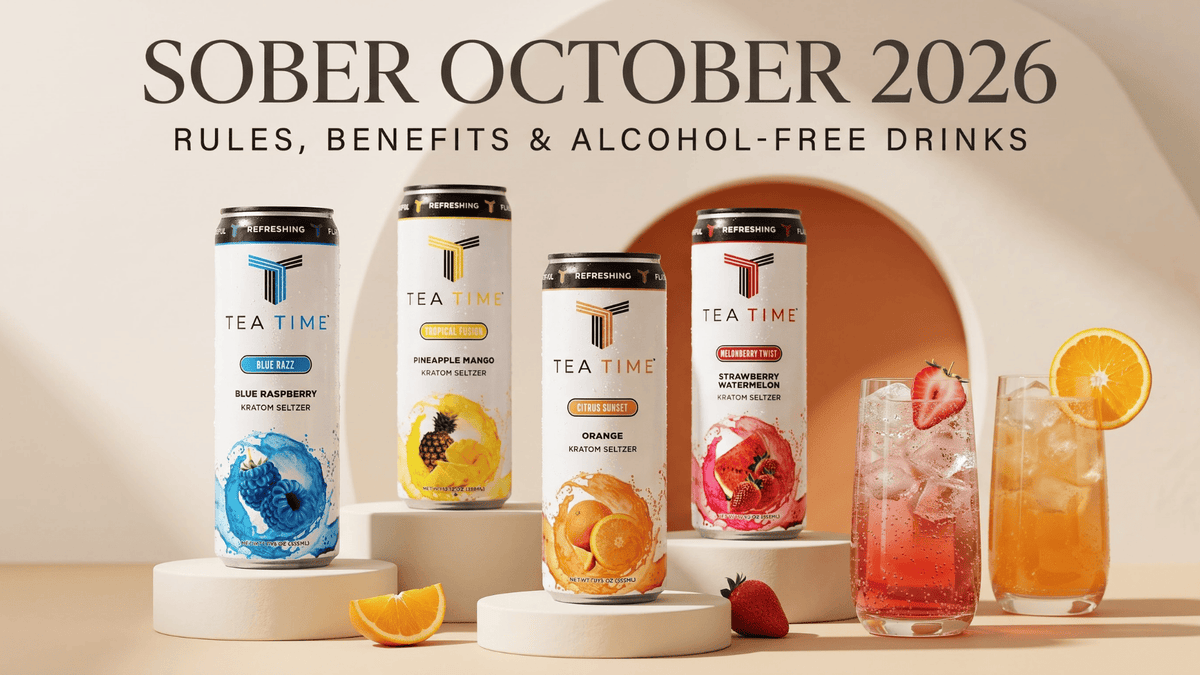
Sober October is a 31-day challenge that encourages people to avoid alcohol throughout October. The 2026 challenge runs from October 1 to 31. For some, it's about cutting back on drinking expenses. For others, it's simply a chance to see what weekends and social gatherings look like without alcohol.
Some people go sober for October to raise money for charity, while others participate to take a break from alcohol or simply try something different. Even occasional drinkers can join the challenge to see how alcohol fits into their social lives and daily schedule.
Whether you’re participating for the first time or returning for another year, this guide covers the Sober October rules, potential benefits, practical tips, and alcohol-free drink alternatives worth exploring.
Key Takeaways:
-
Sober October runs from October 1 to October 31, lasting 31 days
-
The main goal is to avoid alcoholic beverages throughout the month
-
People participate for personal goals, lifestyle changes, or charity fundraising
-
Some participants may notice changes in sleep quality, spending, and drinking habits, although experiences vary
-
Planning ahead, tracking progress, and exploring suitable alcohol-free drinks can make the challenge easier to manage
Table Of Contents:
What Is Sober October?
What began as a fundraising initiative has become a popular annual challenge for people interested in examining their relationship with alcohol. Some people join to raise money for charity. Others are simply curious about how often alcohol shows up in their everyday plans.
The challenge is closely associated with Macmillan Cancer Support’s Go Sober for October campaign in the UK, which encourages participants to give up alcohol while raising funds to support people living with cancer.
Today, people participate in Sober October for different reasons, including
-
Charity fundraising: Supporting organizations and causes through an alcohol-free challenge
-
Personal goals: Taking a temporary break from drinking to reconsider everyday habits
-
Lifestyle changes: Exploring social activities and routines that don’t involve alcohol
-
Self-awareness: Understanding when, why, and how often they usually drink
Unlike long-term sobriety, Sober October focuses on a defined 31-day period. It gives participants time to reflect on their relationship with alcohol and consider whether they want to make lasting changes.
What Are the Rules of Sober October?
The main rule of Sober October is to avoid drinking alcohol for the entire month of October. While there is no universal rulebook for independent participants, organized campaigns may have specific guidelines. The goal is to complete 31 days without alcohol while becoming more aware of your drinking habits.
Here are five simple rules to follow:
1. Avoid alcoholic beverages: Skip beer, wine, spirits, cocktails, and other drinks containing alcohol
2. Choose alcohol-free alternatives: Opt for sparkling water, fresh juices, sodas, mocktails, or other beverages without alcohol
3. Set a personal goal: Decide whether you’re participating to raise money for charity, examine your drinking habits, or try an alcohol-free lifestyle
4. Track your progress: Use a calendar, journal, or checklist to record your progress and reflect on your experience
5. Plan for social occasions: Check drink menus before visiting restaurants, attending parties, or meeting friends
One thing to remember: Drinks labeled 0.0% ABV are different from some non-alcoholic beverages that may contain trace amounts of alcohol. Always check the label if you want to avoid alcohol completely.
If you regularly drink heavily or may be alcohol-dependent, consult a healthcare professional before stopping suddenly, as alcohol withdrawal can be dangerous.
What Can You Drink During Sober October?
Sober October doesn't mean you're limited to plain water. From non-alcoholic beers and colorful mocktails to sparkling seltzers and herbal teas, there are plenty of beverages to explore. The right choice depends on whether you're avoiding alcohol alone or choosing to stay completely substance-free.
1. Non-Alcoholic Beer
Non-alcoholic beer comes in several styles, making it a good option for people who prefer traditional beer varieties without the usual alcohol content.
-
Popular options: Alcohol-free lagers, pale ales, and craft beers
-
What to check: Look for 0.0% ABV labels, as some non-alcoholic beers contain trace amounts of alcohol
2. Mocktails and Virgin Drinks
Mocktails are alcohol-free versions of familiar cocktails. They're easy to prepare at home and work well for parties, dinners, and celebrations.
-
Popular options: Virgin Mojito, Virgin Mary, Virgin Piña Colada, and cranberry spritzers
-
Common ingredients: Fruit juices, sparkling water, fresh herbs, and alcohol-free mixers
3. Kratom Seltzers
Kratom Seltzers are ready-to-drink, alcohol-free botanical beverages available in various fruit-inspired flavors.
-
Available flavors: Blue Raspberry, Tropical Fusion, Melon Berry, and Citrus Sunset
-
Beverage format: Convenient, ready-to-drink Kratom seltzers made without alcohol
For more information, read Does Kratom Seltzer Contain Alcohol?.
4. Sparkling Water and Flavored Seltzers
Sparkling water and flavored seltzers are convenient alcohol-free options for daily schedules and social gatherings.
-
Popular options: Lemon-lime sparkling water, flavored club soda, and alcohol-free hop water
-
Simple additions: Fresh citrus slices, mint leaves, or a splash of cranberry juice
5. Kombucha
Kombucha is a fermented tea beverage available in various fruit and botanical varieties. Its alcohol content depends on the fermentation process and product formulation.
-
Popular options: Ginger, berry, citrus, and original kombucha
-
What to check: Some varieties contain trace amounts of alcohol, so review the ABV label carefully
6. Tea and Herbal Infusions
Tea and herbal infusions offer a wide selection of hot and iced beverages without alcohol.
-
Popular options: Peppermint tea, chamomile tea, hibiscus tea, and iced green tea
-
What to check: Black and green teas naturally contain caffeine, while many herbal infusions are caffeine-free
7. Botanical and Functional Drinks
Botanical and functional beverages feature plant-derived ingredients and come in several ready-to-drink formats. Formulations vary, so check the ingredients.
-
Popular options: Botanical spritzers, adaptogen-infused drinks, and functional sparkling beverages
-
What to check: Some products contain psychoactive compounds, caffeine, or other active ingredients that may not align with everyone's sobriety goals
Note: Alcohol-free and substance-free aren't interchangeable. If your Sober October goal includes avoiding psychoactive substances, choose beverages that align with that commitment.
What Are the Potential Benefits of Sober October?
Taking a month off alcohol may bring several positive changes to your daily life. While the experience varies from person to person, Sober October gives participants a chance to explore different habits and see how their patterns change without alcohol.
Here are five potential benefits of participating in the challenge:
1. Better Sleep Habits: Alcohol can interfere with normal sleep cycles, particularly during the second half of the night. Avoiding it may help some people experience fewer sleep disruptions and develop more consistent bedtime routines
2. Reduced Alcohol-Related Spending: Skipping alcoholic beverages at restaurants, bars, and grocery stores can help reduce monthly expenses. You might be surprised by how much you typically spend on drinks during weekends and social outings
3. A Chance to Reconsider Drinking Habits: A 31-day break can help you identify when and why you usually drink, whether it's during weekend gatherings, celebrations, or after work
4. More Intentional Social Choices: Attending parties or meeting friends without alcohol can encourage you to explore different beverages and focus more on the activities and conversations
5. An Opportunity to Build New Routines: Time previously spent on alcohol-centered activities can go toward hobbies, exercise, cooking, or other personal interests
The National Institute on Alcohol Abuse and Alcoholism (NIAAA) provides research-based information on how alcohol affects the body and overall health. While the benefits of taking a break vary, Sober October offers an opportunity to examine drinking patterns and consider changes that may extend beyond the 31-day challenge.
What Happens After Sober October Ends?
Completing Sober October doesn't mean you have to return to your previous drinking habits on November 1. Instead, take some time to reflect on the past 31 days and consider what you've learned about your relationship with alcohol.
Here are a few things to think about once the challenge ends:
-
Review your experience: Think about what felt easy, what was challenging, and how your daily routine changed
-
Notice any differences: Consider whether you experienced changes in sleep patterns, spending, or social habits
-
Set future boundaries: Decide whether you want to continue avoiding alcohol, drink less frequently, or establish personal limits
-
Keep helpful habits: Continue exploring alcohol-free beverages, hobbies, and social activities you enjoyed during October
-
Seek support if necessary: If managing alcohol consumption has been difficult, consider speaking with a healthcare professional
Final Thoughts: Make Sober October 2026 Count
Sober October isn’t just about going 31 days without alcohol. It’s an opportunity to rethink familiar habits, try different social activities, and discover what works best for your lifestyle.
Whether you’re participating for charity or personal reasons, a little preparation can make the challenge easier.
-
Plan ahead: Prepare for weekends, parties, and other occasions where alcohol is usually involved
-
Compare drink alternatives: Choose drinks without alcohol that suit your preferences and personal goals
-
Reflect on your progress: Think about what you've learned and which habits you'd like to continue beyond October
And remember, your progress doesn't have to end on October 31. The choices you make during Sober October may help shape a more mindful approach to drinking throughout the year.
FAQs
1. What is the main purpose of Sober October?
Sober October encourages people to avoid alcohol for 31 days, reflect on their drinking patterns, and try alcohol-free routines. Some participants also use the challenge to raise money for charity.
2. What are the official Sober October rules?
The main rule is to avoid alcoholic beverages from October 1 to October 31. Independent participants can set personal goals, while organized fundraising campaigns may have additional participation requirements.
3. Can you start Sober October late?
Yes, you can start Sober October at any point during the month. Although the official challenge runs from October 1 to 31, you can begin your own 31-day alcohol-free challenge whenever you're ready.
4. Can you drink non-alcoholic beer during Sober October?
Yes, non-alcoholic beer can fit into an alcohol-free challenge. However, some varieties contain trace amounts of alcohol, so choose products labeled 0.0% ABV if you want to avoid alcohol completely.
5. Is Sober October the same as Dry January?
Both challenges encourage people to avoid alcohol for 31 days. The main difference is timing: Sober October takes place in October, while Dry January begins on January 1.
6. What happens if you drink alcohol during Sober October?
If you drink alcohol during Sober October, you can still continue the challenge. One setback doesn't erase your progress. Reflect on what happened, revisit your goals, and decide how you'd like to move forward.
7. Can you participate in Sober October without fundraising?
Yes, fundraising is optional for people participating independently. You can go sober for October to examine your drinking habits, consider alcohol-free beverages, or work toward personal lifestyle goals.


