The global beverage industry is changing fast. What was once dominated by high-caffeine energy drinks is now making room for plant-based beverages, ready-to-drink beverages, and modern wellness beverages formulated around experiences, not just stimulation. As per PR Newswire, The global Kratom beverage market is valued at approximately $480 to $500 million and is projected to surpass $1.3 billion over the next decade, growing at an impressive Compound Annual Growth Rate (CAGR) of over 12%.
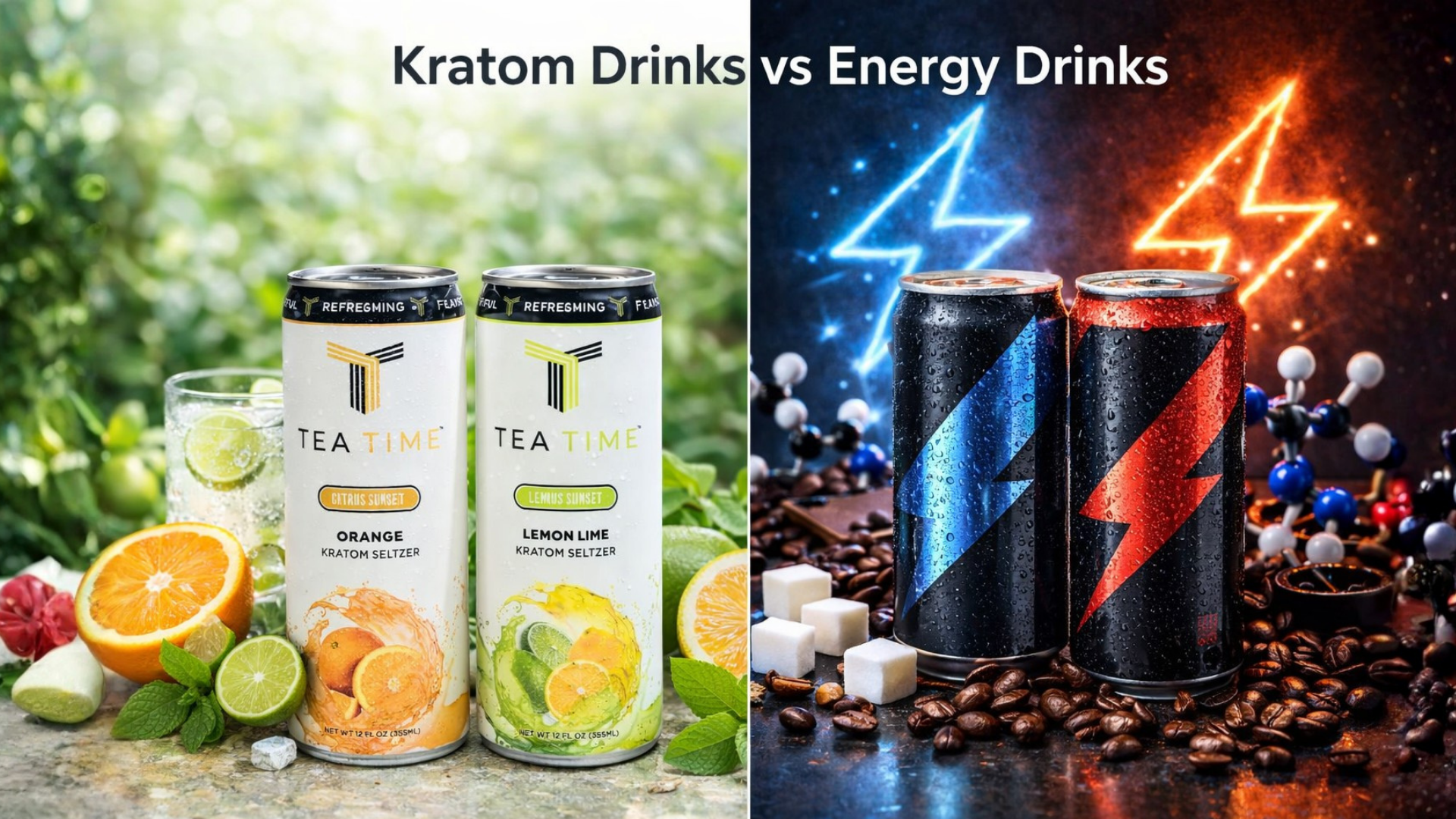
As consumers look for natural alternatives to energy drinks, the comparison between Kratom drinks vs energy drinks has become a point of discussion frequently. This guide breaks down what each option is, how they differ, and why beverage trends heading into 2026 are shifting toward functional and botanical formats.
What Are Kratom Drinks?
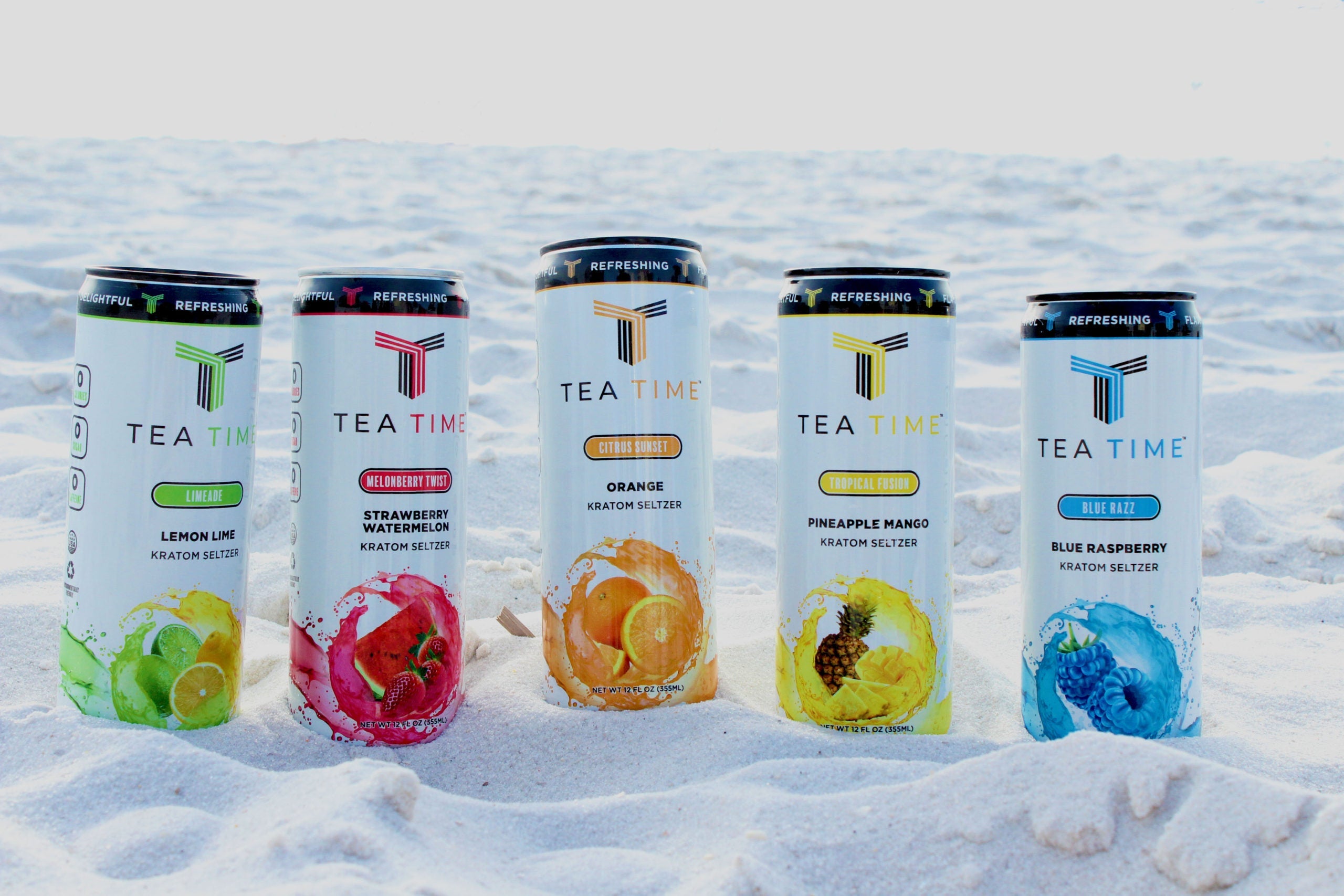
Kratom drinks are beverages made using extracts or infusions from the leaves of the Kratom plant (Scientifically known as the Mitragyna Speciosa). Traditionally consumed as teas or powders, Kratom has recently evolved into ready-to-drink Kratom beverages, including seltzers, shots, and flavored sparkling drinks.
How Kratom Drinks Are Made?
Most modern Kratom beverages follow a similar process:
- Kratom leaf extraction (water-based or alkaloid-standardized)
- Dilution into a beverage base (still or carbonated)
- Flavor balancing using citrus, botanicals, or natural flavors
- Packaging as ready-to-drink Kratom
Unlike powdered Kratom, these drinks prioritize consistency, flavor, and convenience. The popular types of drinks are Kratom drinks or Seltzers, functional beverages and many more. For a complete list and overview of top trending Kratom drinks, read the blog here.
Why Are Kratom Drinks Trending?
According to national usage research highlighted by University of Michigan, Kratom awareness and use has increased steadily in recent years especially among adults seeking alternatives to caffeine-heavy products, read the complete research by University of Michigan.
Key trend drivers:
- Growth of ready-to-drink herbal beverage formats
- Demand for lower-sugar wellness drinks
- Social acceptance of functional beverages
- Expansion of plant-based beverages beyond juices and teas
Read the complete guidebook on Kratom Drinks for better understanding of their trends and uses here.
What Are Energy Drinks?
Energy drinks are formulated beverages made to provide rapid stimulation, typically through caffeine, sugar, or synthetic stimulants. Read more about the consumption of energy drinks by PubMed here.
They remain one of the most consumed functional beverage categories worldwide.
Common Ingredients in Energy Drinks
- Caffeine (often 150–300 mg per serving)
- Sugar or artificial sweeteners
- Taurine
- B-vitamins
- Synthetic flavoring agents
Some brands now market “clean energy,” but caffeine remains the primary driver.
How Traditional Energy Drinks Work?
Energy drinks stimulate the central nervous system by blocking adenosine receptors, which reduces perceived fatigue. This leads to:
- Fast energy spikes
- Heightened alertness
- Short-term performance boosts
However, these effects often taper quickly, leading to the commonly reported “crash.”
Why Energy Drinks Became So Popular?
- Convenience and portability
- Aggressive sports and lifestyle marketing
- Association with productivity and performance
- Rapid sensory impact
At their peak, energy drinks accounted for over one-third of functional beverage sales globally, but growth has slowed as consumer preferences evolve, read more with Grand View Research .
Key Differences Between Kratom Drinks vs Energy Drinks
To have a proper understanding of Kratom Drinks and Energy Drinks, it is important to compare their formulation, experiences, feel, etc.
1. Ingredients and Formulation
Kratom drinks:
Made using Kratom leaves or plant-based extracts. Formulations are typically botanical in nature, often featuring shorter ingredient lists with an emphasis on minimal processing and transparency.
Energy drinks:
Built around stimulants such as caffeine, taurine, guarana, and B-vitamins. These beverages often rely on synthetic or lab-formulated compounds designed to deliver rapid stimulation.
2. Energy Experience and Overall Feel
Kratom drinks:
Known for a more gradual, controlled experience that many consumers describe as smooth or balanced rather than intense.
Energy drinks:
Designed to deliver fast, noticeable stimulation, often felt quickly after consumption and sometimes associated with sudden energy spikes.
3. Sugar and Sweetener Use
Kratom drinks:
Frequently offered in low-sugar or zero-sugar formats, especially in seltzer-style options focused on clean-label appeal.
Energy drinks:
Many traditional energy drinks contain high sugar levels, though sugar-free alternatives exist using artificial or alternative sweeteners.
4. Caffeine Content
Kratom drinks:
Do not inherently contain caffeine unless added separately as part of the formulation.
Energy drinks:
Almost always caffeine-based, with caffeine being the primary active ingredient responsible for their energizing effect.
5. Consumption Style
Kratom drinks:
Often consumed slowly and socially, similar to sparkling water or functional wellness beverages.
Energy drinks:
Commonly consumed quickly for an immediate boost, particularly during work, workouts, or long hours.
Key Similarities Between Kratom Drinks and Energy Drinks
1. Ready-to-Drink Convenience
Kratom drinks:
Sold as pre-mixed, ready-to-drink beverages in cans or bottles for ease of use.
Energy drinks:
Also made for grab-and-go convenience, requiring no preparation or mixing.
2. Functional Beverage Positioning
Kratom drinks:
Marketed as functional beverages due to their botanical origin and perceived purpose beyond basic hydration.
Energy drinks:
Positioned as functional drinks that support alertness, focus, or performance.
3. Flavor-Driven Appeal
Kratom drinks:
Often use fruit-forward, citrus, or tropical flavors to improve drinkability and mask natural plant notes.
Energy drinks:
Rely heavily on bold, sweet, or tangy flavors to create a strong taste identity.
4. Carbonated Formats
Kratom drinks:
Frequently available as sparkling or seltzer-style beverages.
Energy drinks:
Commonly carbonated to enhance mouthfeel and perceived refreshment.
5. Lifestyle-Oriented Branding
Kratom drinks:
Branded around wellness, balance, and modern beverage culture.
Energy drinks:
Branded around performance, productivity, and active lifestyles.
Why Many Consumers Are Moving Away From Traditional Energy Drinks?
1. High Caffeine Concerns
Surveys show that over 40% of energy drink consumers report reducing intake due to jitters, sleep disruption, or overstimulation. Read more about energy drinks and their effects by PubMed.
2. Sugar and Artificial Ingredients
Consumers check on the labels of these drinks driving demand for:
- Fewer additives
- Recognizable ingredients
- Lower sugar loads
3. Interest in Functional Beverage Alternatives
Functional beverages are projected to grow at 7–9% annually through 2026, with herbal and botanical drinks leading that growth, as per Industry Arc.
Why Are Kratom Drinks Becoming More Popular Amongst People?
Kratom drinks are gaining popularity for many reasons. Some of these are listed below to help you know better about the trends of these drinks -
1. Functional Beverage Culture
Kratom beverages align with the broader movement toward:
- Intentional consumption
- Experience-based wellness
- Customizable routines
2. Social and Lifestyle Appeal
Unlike traditional energy drinks, Kratom seltzers are often positioned for:
- Casual social settings
- Evening or low-key occasions
- Non-athletic environments
3. The Rise of Botanical Drinks
Botanical beverages now represent one of the fastest-growing sub-segments of modern wellness beverages, driven by consumer curiosity and cultural normalization. Want to know more about Why is Everyone Switching from Kratom powder to Drinks? Read the complete article here.
Which Option Is Better for Different Lifestyles?
Kratom Drinks and Energy drinks are suitable in different lifestyles, know more about the difference between the two and choose your favorite beverage today -
Best for Fast Energy Seekers
Energy drinks remain popular for:
- Early mornings
- High-intensity tasks
- Athletic performance
Energy drinks remain the go-to choice for people who need immediate stimulation where a quick caffeine-driven boost is prioritized over long-lasting balance.
Best for Social or Casual Drinking
Kratom drinks often appeal to:
- Social settings
- Evening relaxation
- Alcohol-alternative consumers
Kratom drinks often appeal to social settings and evening occasions without the sharp stimulation of traditional energy drinks.
Best for Functional Beverage Enthusiasts
Those interested in beverage trends 2026, plant-based routines, and wellness experimentation tend to gravitate toward Kratom beverages. Read more about the functional beverages and why they are trending this year.
Things to Consider Before Choosing Either of the Drinks
Before buying any functional or energy-focused beverage, it’s important to look beyond marketing claims and understand what you’re actually consuming.
1. Ingredient Transparency
Always review the ingredient list carefully, especially with modern wellness and functional drinks. Pay attention to:
- Stimulant levels, including total caffeine content or the presence of botanical stimulants
- Sweeteners, whether natural, artificial, or zero-calorie alternatives
- Botanical sources, extracts, or herbal components and how they are formulated
Clear labeling and straightforward formulations can help you make more informed choices and avoid unwanted effects.
2. Serving Size and Consumption Habits
Serving size matters more than many consumers realize. Functional beverages are often designed to be used intentionally rather than consumed repeatedly throughout the day. Moderation is especially important, as frequent or excessive intake whether caffeine-based or botanical can affect sleep, hydration, and overall balance.
3. Understanding Your Personal Preferences
Personal preference plays a major role in choosing the right drink. Factors like taste profile, carbonation level, time of day, and the type of experience you’re looking for all influence whether a beverage fits your routine. Some people prefer quick stimulation, while others prioritize smoother, more social-friendly options.
Choosing the right drink ultimately comes down to aligning ingredients and effects with your lifestyle and consumption habits.
Safety Considerations When Choosing Kratom Drinks
While Kratom drinks are increasingly discussed within the functional beverage space, they are not suitable for everyone. Individual responses to botanical ingredients can vary based on factors such as body chemistry, tolerance, serving size, and frequency of use.
Consumers should always:
- Read ingredient labels carefully to understand what is included in the beverage
- Start with low servings, especially if they are new to Kratom-based products
- Avoid mixing Kratom drinks with alcohol, prescription medications, or other stimulants unless advised by a qualified professional
- Be mindful of timing, as consuming functional or stimulating beverages late in the day may affect sleep patterns
Kratom beverages are best approached as intentional-use products, not as substitutes for hydration or habitual energy consumption.
Know The Legal Status of Kratom Before Purchasing
The legal status of Kratom varies by country, state, and municipality. In the United States, Kratom is legal at the federal level, but certain states, cities, and counties have enacted restrictions or bans on its sale or possession.
Because regulations can change over time, consumers should:
- Verify Kratom’s legal status in their specific location before purchasing or consuming Kratom drinks
- Purchase products only from transparent brands that follow local laws and responsible manufacturing practices
Staying informed about regional regulations helps ensure compliance and responsible use.
Final Thoughts
Functional beverage preferences are evolving as consumers move away from the idea of “more energy at any cost” and toward more balanced, intentional consumption. Rather than focusing solely on speed and intensity, people are paying closer attention to how a drink fits into their lifestyle, social habits, and overall sense of well-being. As interest in natural alternatives to energy drinks continues to grow, Kratom drinks and other wellness beverages are becoming part of a broader conversation about experience and moderation shifting the focus from how fast someone wants to wake up to how they want to feel throughout the day.
Frequently Asked Questions
Is Kratom better than caffeine?
Caffeine is widely used for fast, predictable stimulation, which makes it effective for quick energy needs. Kratom, particularly in beverage form, is often chosen by people seeking a more gradual, less intense experience. Learn more about “What is Kratom?”
Are Kratom drinks stronger than energy drinks?
Not typically. Energy drinks are formulated to deliver a strong and fast stimulant response, often containing caffeine levels equal to two or more cups of coffee in a single serving. Kratom drinks, by contrast, are usually described as milder and more gradual, especially when consumed in ready-to-drink formats.
Do Kratom drinks contain caffeine?
Most Kratom drinks are caffeine-free, which is a key reason they appeal to people looking for caffeine alternatives. This is why ingredient transparency is important especially for consumers who are sensitive to stimulants or trying to reduce total caffeine intake.
Why are people switching from energy drinks?
Consumer behavior data shows a clear shift away from traditional energy drinks, driven by several factors. Surveys indicate that nearly half of energy drink consumers have tried to cut back due to concerns about caffeine overload, sugar content, and artificial ingredients.
What are the best alternatives to energy drinks?
Alternatives to energy drinks now span multiple categories. Popular options include Kratom beverages, botanical tonics, adaptogenic drinks, mushroom-based blends, and low-caffeine or caffeine-free wellness beverages.
Are Kratom drinks considered wellness drinks?
Many consumers place Kratom drinks within the modern wellness beverage category, especially when they are marketed as plant-based, low-sugar, and ready-to-drink.
Will botanical and herbal drinks replace energy drinks?
They may replace energy drinks because the industry trend reports show that botanical and functional beverages are growing faster than traditional energy drinks, largely because they serve different occasions, social settings, evening use, or everyday wellness routines.
Important Disclaimer
The information provided in this article is for educational and informational purposes only and is not intended to diagnose, treat, cure, or prevent any disease. Kratom products are not approved by the FDA for medical use.
This content should not be considered medical, legal, or professional advice. Individuals who are pregnant, nursing, have underlying health conditions, or are taking medications should consult a qualified healthcare professional before consuming Kratom or Kratom-based beverages.
Always use Kratom drinks responsibly and in accordance with applicable laws and personal health considerations.