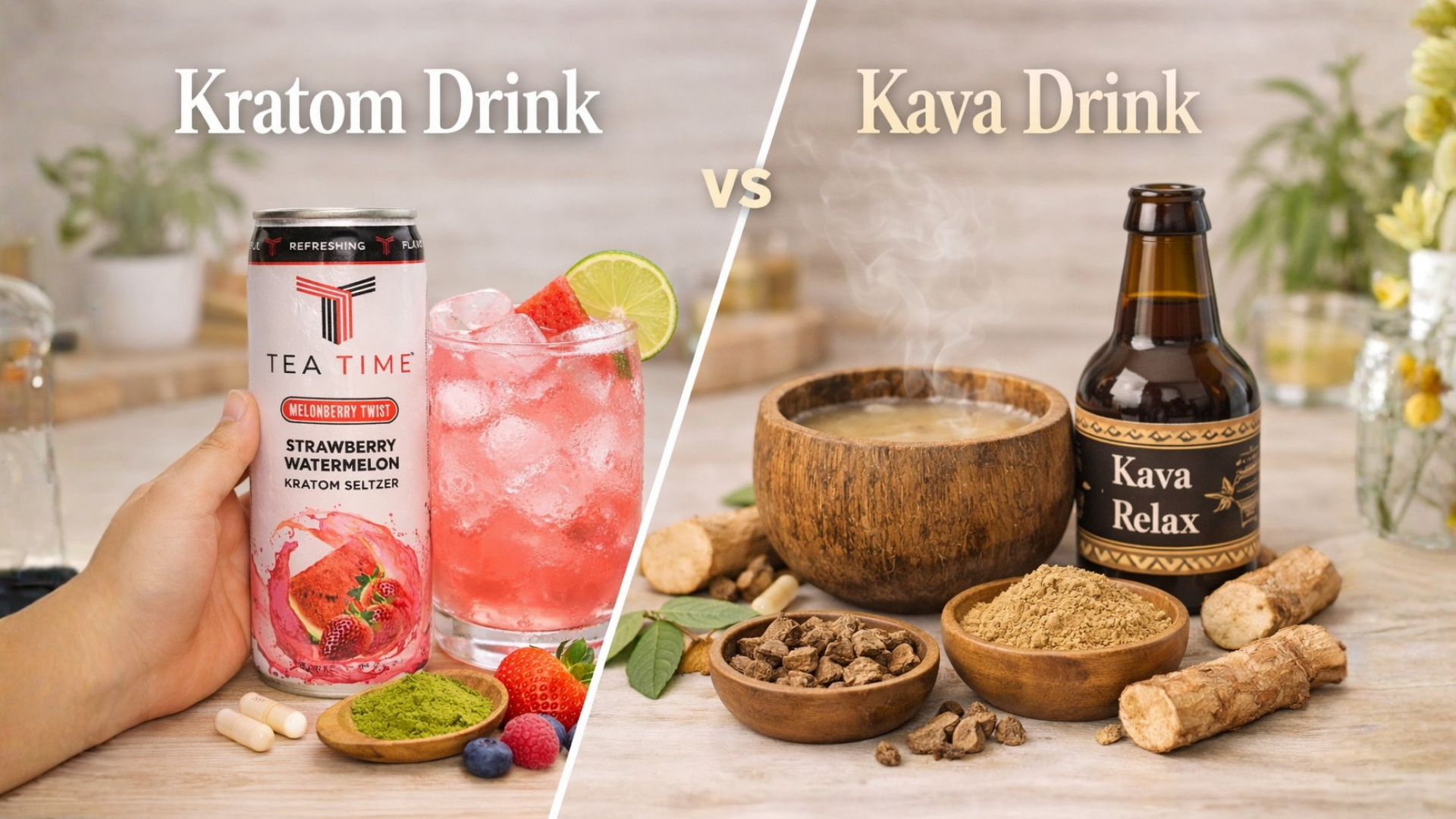
As botanical beverages continue to move into mainstream wellness culture, Kratom drinks and kava drinks are increasingly compared by new consumers looking for alternatives to alcohol or traditional energy drinks. While both are plant-based and often served as ready-to-drink beverages, they differ significantly in origin, formulation, effects, availability, and use cases.
This guide explains the similarities and differences between Kratom drinks and kava drinks in a clear, factual way to help beginners make informed choices in 2026. The botanical ingredients have experienced a 6% CAGR rise over the past five years, driven by consumer preferences for natural over synthetic options, read more at Innova Market Insights.
What Are Kratom Drinks?
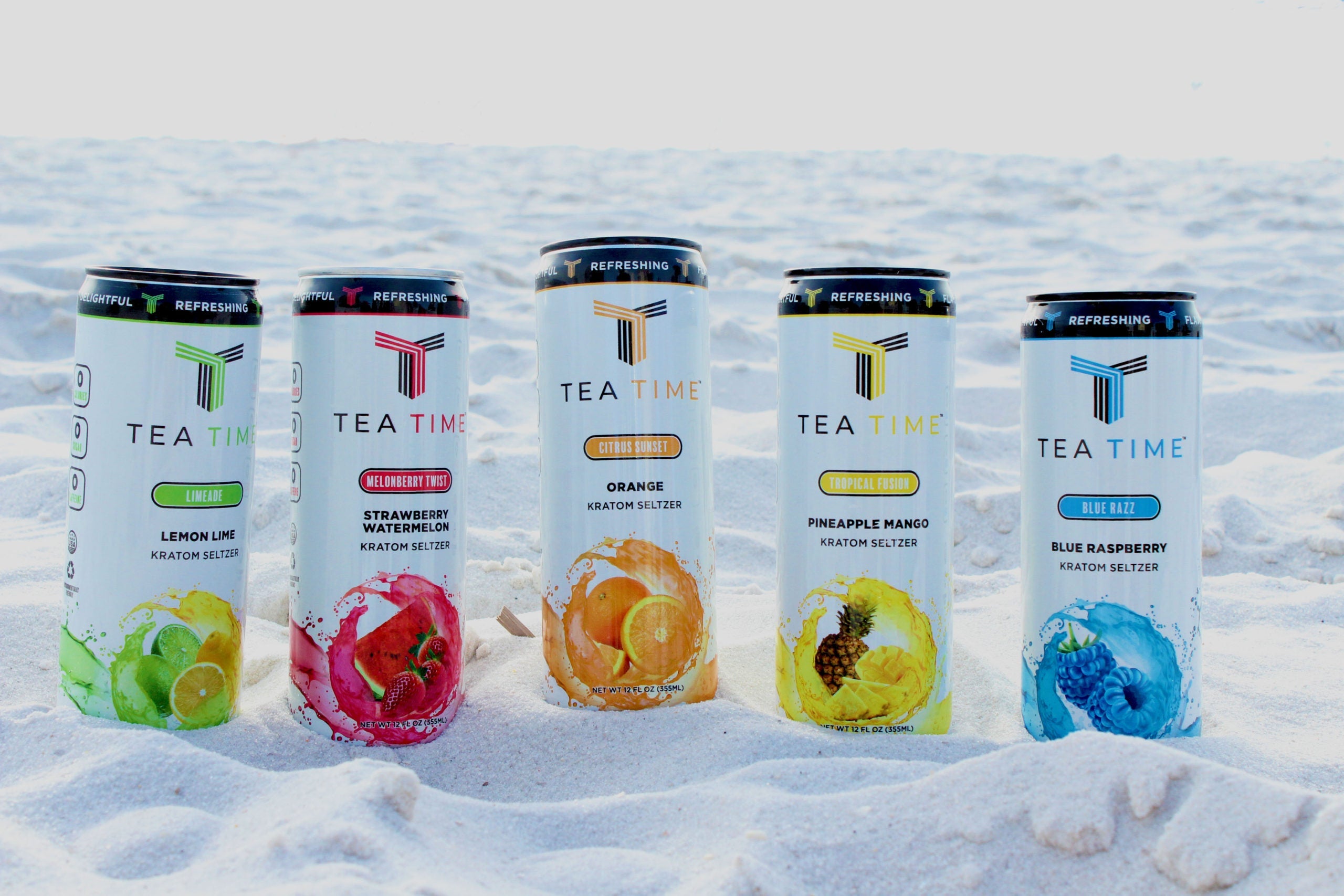
Kratom drinks are beverages made using Kratom extracts derived from the leaves of the mitragyna speciosa. In modern formats, Kratom is typically infused into ready to drink cans, seltzers, teas, or flavored beverages designed for convenience and consistency.
Unlike traditional Kratom powder, Kratom drinks are pre measured, flavored, and formulated for a smoother consumption experience. Many Kratom drinks are lightly carbonated and positioned alongside functional or lifestyle beverages rather than supplements. Read more about Kratom drinks - What they are, Effects, and why everyone’s talking about them.
Key characteristics of Kratom drinks include:
- Use of Kratom leaf extract instead of raw powder
- Ready to drink formats with consistent dosing
- Flavor forward profiles designed to mask bitterness
- Growing availability in canned and seltzer styles
What Are Kava Drinks?
Kava drinks are made from the root of the kava plant, traditionally prepared as a ground root beverage in Pacific Island cultures. Modern kava drinks adapt this preparation into bottled or canned formats while retaining the root-based extraction process.
Kava beverages are typically non-carbonated and maintain an earthy, peppery taste profile that reflects their traditional preparation. While some ready-to-drink options exist, many kava drinks still lean toward traditional methods and niche consumption environments.
Common features of kava drinks include:
- Root-based botanical preparation
- Still or minimally processed beverage formats
- Strong cultural and traditional roots
- More variable taste and mouthfeel
How Origin Shapes the Beverage Experience
The difference in plant source and regional tradition plays a major role in how Kratom and kava drinks are formulated today. Kratom drinks reflect modern beverage innovation with standardized extracts and flavor-forward profiles, while kava drinks remain closer to their traditional roots, both literally and culturally.
Key Differences Between Kratom vs Kava Drinks
Look at the major differences between Kratom and Kava -
Taste
-
Kratom –
Kratom has a strong, bitter, and earthy taste, often described as herbal or plant-like. Many users mix it with citrus juice, smoothies, or flavored beverages to mask the bitterness.
-
Kava –
Kava has a muddy, peppery, and slightly numbing taste. While still considered unpleasant by some, it is generally less bitter than kratom and traditionally consumed as a water-based drink.
Primary Effects
-
Kratom –
Kratom’s effects can vary by strain and dosage, ranging from mild energy and focus at lower doses to relaxation and calm at higher doses.
-
Kava –
Kava is primarily known for calming, stress-relieving, and relaxation effects, without stimulating properties.
Onset and Duration
-
Kratom –
Kratom typically takes 20–45 minutes to kick in, with effects lasting 4–6 hours, depending on dose and individual metabolism.
-
Kava –
Kava often has a faster onset (10–30 minutes), but the effects are generally shorter-lasting, often around 2–4 hours.
Usage Context
-
Kratom –
Kratom is commonly used for productivity, focus, or daytime energy, depending on the strain and serving size.
-
Kava –
Kava is more often used in evening or social relaxation settings, such as winding down after work or in ceremonial environments.
Consumption Formats
-
Kratom –
Available in powders, capsules, extracts, shots, teas, and seltzers, offering flexible consumption options.
-
Kava –
Traditionally consumed as a brewed root drink, though modern formats include instant powders and concentrates.
Key Similarities Between Kratom and Kava
Along with differences, there are some similarities also between both -
Plant-Based Origin
- Kratom –
Derived from the leaves of a tropical tree native to Southeast Asia.
-
Kava –
Made from the root of a South Pacific plant traditionally used for ceremonial purposes.
Non-Alcoholic Relaxation Alternatives
-
Kratom –
Often used as an alternative to alcohol or caffeine, depending on desired effects.
-
Kava –
Widely used as an alcohol substitute, especially for social relaxation without intoxication.
Traditional Cultural Use
-
Kratom –
Historically used by laborers and communities in Southeast Asia for endurance and wellness rituals.
-
Kava –
Used for centuries in Pacific Island cultures for ceremonies, gatherings, and stress relief.
Preparation Matters
-
Kratom –
Effects depend heavily on dosage, strain, and preparation method.
-
Kava –
Effects vary based on root quality, preparation technique, and serving strength.
Wellness-Oriented Consumer Base
-
Kratom –
Commonly used by individuals seeking functional, plant-based wellness options.
-
Kava –
Popular among consumers focused on natural relaxation and stress management.
Availability and Market Presence in 2026
In 2026, kratom drinks have expanded into mainstream beverage spaces, appearing alongside seltzers, teas, and functional drinks. Kava drinks remain present but more limited, often found in specialty bars or niche wellness retailers.
This difference in availability continues to shape consumer adoption, especially for those seeking convenience and consistency. The global Kratom and Kava Beverage market size will reach 397.53 Million USD in 2026 and is projected to reach 696.00 Million USD by 2033, with a CAGR of 8.33% (2026-2033), read more here at Market Research.
A Legal Overview Of Kratom vs Kava Drinks
The legal status of Kratom vs Kava drinks differs significantly and plays an important role in availability, retail access, and consumer decision-making.
Key legal considerations to understand -
1. Kratom
Kratom drinks are legal at the federal level in the United States but are restricted or banned in certain states and local jurisdictions. Regulatory guidance often comes from state laws rather than unified federal approval, with oversight discussions.
Kratom legality can vary by city or county, making it important to check local regulations before purchasing or distributing Kratom beverages.
2. Kava
Kava drinks are widely legal across the United States and many other countries, as Kava root has a longer history of traditional and cultural use and fewer state-level restrictions.
Kava beverages generally face fewer distribution barriers and are commonly sold in wellness shops, Kava bars, and online without regional limitations.
This legal distinction is a key reason why Kratom drinks and Kava drinks differ in market presence, retail placement, and consumer accessibility in 2026.
Kratom or Kava Drink: Which Is Better for Beginners?
For beginners, Kratom drinks are often easier to approach due to:
- Clear labeling and serving sizes
- Ready-to-drink convenience
- Improved flavor profiles
Kava drinks may appeal to users interested in traditional preparation and ceremonial use. Ultimately, the choice between Kratom vs Kava drink depends on taste preference, accessibility, and lifestyle fit.
Can You Mix Kratom and Kava Drinks?
Mixing Kratom and Kava drinks is generally not recommended. Each botanical has its own properties, and combining them may complicate understanding individual responses. New users should try one at a time and follow label guidance carefully. Read whether you can mix Kratom seltzer with other drinks or not thoroughly.
Frequently Asked Questions
Which is stronger, Kratom or Kava?
Strength depends on formulation and serving size rather than the plant itself. Kratom drinks are typically standardized, while Kava strength varies based on preparation.
Can I mix Kratom and Kava drinks?
It is not recommended to mix botanical drinks. Trying one at a time allows for better understanding of individual response and responsible use.
Do Kratom and Kava have similar effects?
They are often described differently and should not be considered interchangeable. Experiences vary by individual and product.
Which is more widely available, Kratom or Kava?
Kratom drinks are generally more widely available in ready-to-drink formats.
Is Kratom or Kava legal in more states?
Kava tends to face fewer restrictions, but Kratom legality varies significantly by region.
Which tastes better: Kratom drink or Kava drink?
Taste is subjective, but many beginners prefer Kratom drinks due to modern flavor formulations.
Conclusion: Kratom Drink vs Kava Drink
Both Kratom drinks and Kava drinks occupy important spaces in the botanical beverage market, but they serve different preferences. Kratom drinks prioritize convenience, flavor, and consistency, making them appealing for new users. Kava drinks offer tradition and ritual but require more preparation and taste tolerance. Understanding these differences helps consumers choose confidently between Kratom and Kava based on lifestyle, accessibility, and personal preference.