Carbonated drinks are everywhere—from sparkling water and soft drinks to modern functional beverages. Whether you call them fizzy drinks, sparkling beverages, or carbonated soft drinks, carbonation plays a key role in how these drinks taste, feel, and are enjoyed.
This guide explains what carbonated drinks are, how carbonation works, the different types available, and where newer formats like kratom seltzers fit in.
What Are Carbonated Drinks?
A carbonated drink is any beverage that contains dissolved carbon dioxide (CO₂). This gas creates bubbles and gives the drink its signature fizz.
Carbonated beverages can be:
- Light and refreshing (like carbonated water)
- Sweet and flavored (like carbonated soft drinks)
- Functional or botanical-based (like modern sparkling drinks)
How Carbonation Works in Beverages?
At its core, carbonation is a simple chemical process: carbon dioxide is dissolved into a liquid under pressure. When the sealed container is opened, the CO₂ escapes as bubbles, creating effervescence and that characteristic tingling mouthfeel.
This same process applies to all carbonated beverages—from sparkling water and club soda to flavored seltzers and kratom seltzers alike. In every case, the pressure-induced dissolution of carbon dioxide is what produces the bubbles and refreshing sensation consumers expect from fizzy drinks.
Here’s what occurs:
- CO₂ dissolves into the liquid
- Pressure keeps the gas trapped
- When opened, gas escapes as bubbles
- This creates the fizzy sensation on the tongue
This process is what defines carbonation and separates fizzy drinks from still beverages.
Types of Carbonated Drinks
1. Sparkling Water
Naturally or artificially carbonated water with no added minerals or flavors. Often clean, crisp, and neutral in taste.
2. Club Soda
Carbonated water with added minerals such as sodium bicarbonate or potassium sulfate gives it a slightly salty or mineral-like flavor.
3. Seltzer Water
Plain carbonated water with no minerals added. Often used as a base for flavored sparkling drinks.
4. Tonic Water
Carbonated water that contains sweeteners and quinine, resulting in a bitter-sweet flavor profile.
5. Functional Sparkling Drinks
Sparkling beverages designed with added ingredients such as botanicals, plant extracts, or other functional components. These focus on flavor-forward, lifestyle-friendly drinking experiences.
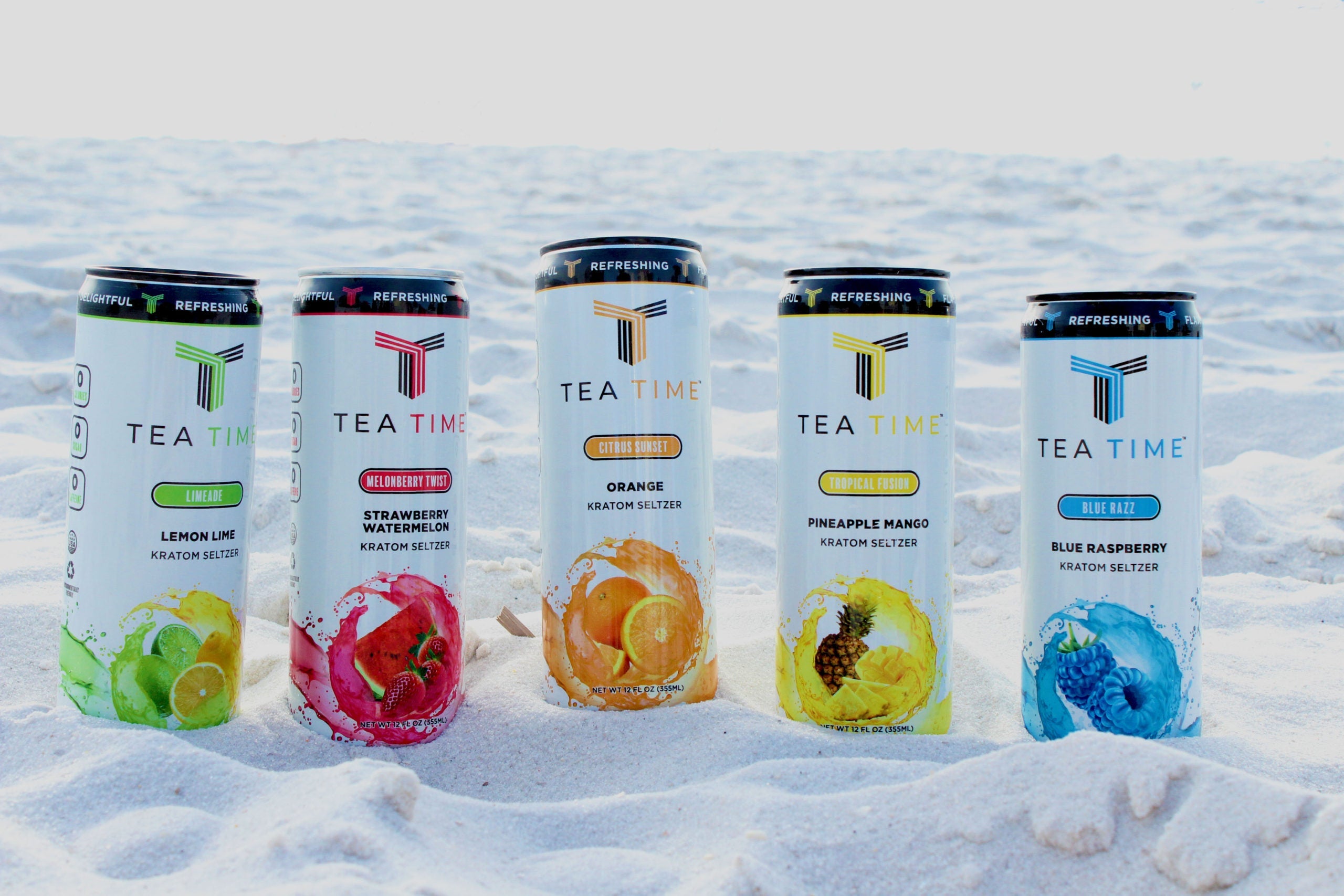
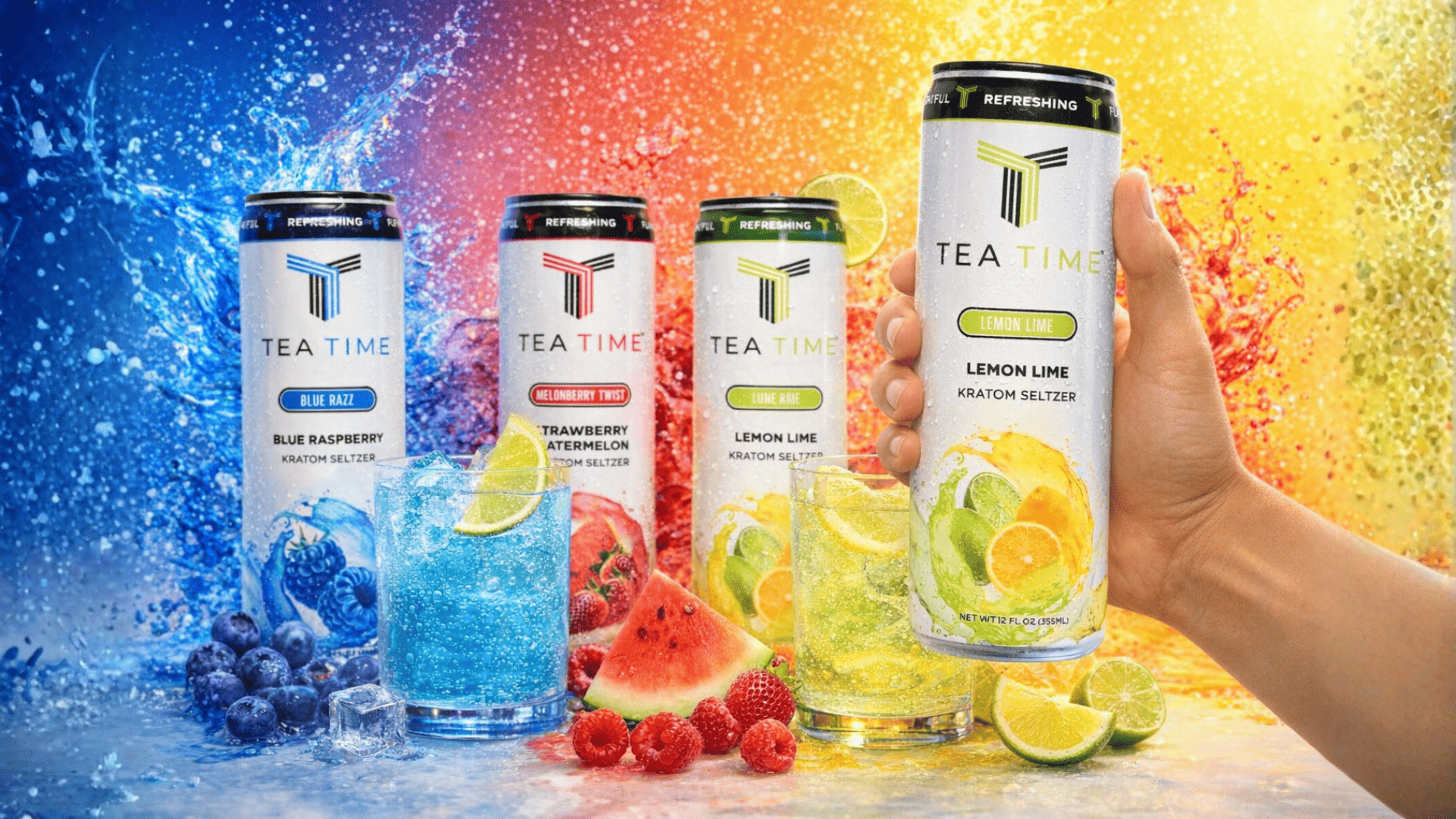
6. Kratom Seltzers
A carbonated kratom drink made by infusing kratom extract into sparkling or carbonated water. These drinks are typically:
- Light and fizzy
- Low or zero calorie
- Made as ready-to-drink sparkling beverages
Check the collection of Flavored Kratom Seltzers here.
Carbonated vs Non-Carbonated Beverages: Key Difference
| Basis of Comparison | Carbonated Beverages | Non-Carbonated Beverages |
| Carbonation Level | Contain dissolved CO₂, creating bubbles | No carbonation or dissolved gas |
| Texture | Fizzy and bubbly | Flat and smooth |
| Taste Perception | Often feels sharper and more refreshing | Often feels richer and more rounded |
| Drinking Experience | Refreshing and lively | Calm and steady |
Both formats serve different preferences depending on carbonation level, texture, taste, drinking experience, and many more. Get a complete review of the Carbonated vs Non-Carbonated Drinks: Differences to Know.
Why Do Carbonated Drinks Feel Fizzy When Drinking?
When carbon dioxide (CO₂) dissolves in liquid under pressure, it doesn’t just add bubbles—it changes how the drink feels on your tongue. As the pressure is released (like when you open a can), the dissolved gas forms tiny bubbles that rise to the surface, creating the familiar fizzy sensation most people enjoy in sparkling beverages.
Carbonated drinks come in many forms, from sparkling water and club soda to kratom seltzers. Learn the types, how carbonation works, and what to look for in 2026
This effect isn’t just for show: the interaction between carbon dioxide and water results in a mild carbonic acid formation, which gives fizzy drinks their distinctive bite and effervescence.
Like many mainstream carbonated beverages, modern sparkling formats such as kratom seltzers use this same principle of carbonation to deliver that crisp, refreshing texture that consumers associate with quality sparkling drinks.
What Are The Health Considerations To Look For?
Carbonated drinks vary widely depending on ingredients.
General considerations:
- Carbonated water is typically calorie-free
- Functional sparkling drinks depend on formulation
- Always check labels for added ingredients
- Important to check Certificate of Analysis
Carbonated Flavors Without Excess Calories
Carbonation itself does not add calories or sugar—it’s the formulation that matters. One of the benefits highlighted in popular beverage resources is that carbonated water and sparkling drinks can deliver a bold, enjoyable flavor without the sugar and calories associated with traditional soft drinks.
In many modern carbonated formats, including kratom seltzers, carbonation is paired with natural or light flavor profiles that enhance the drink’s sensory appeal without adding significant calories. This approach aligns with broader consumer trends toward cleaner-label, low- or zero-calorie beverages—a movement that continues to shape beverage innovation in 2026.
Looking For The Best Carbonated Drinks of 2026?
Clean-Label Sparkling Beverages
- Top carbonated drinks in 2026 prioritize simple, transparent ingredient lists with no unnecessary additives.
- Consumers are choosing beverages that clearly communicate what’s inside the can, making clean labeling a major trust factor.
Low or No Sugar Formulations
- Reduced-sugar and zero-sugar carbonated drinks continue to dominate the market.
- These options deliver flavor without added calories, aligning with everyday, guilt-free consumption habits.
Botanical and Plant-Based Infusions
- Many leading sparkling drinks now feature botanicals and plant-derived ingredients for a modern, elevated profile.
- These infusions enhance flavor complexity while keeping the drink light and refreshing.
Ready-to-Drink Convenience
- Ready-to-drink carbonated beverages remain the preferred format for portability and ease.
- Canned sparkling drinks fit seamlessly into daily routines, social settings, and on-the-go moments.
Flavor-Forward but Light Profiles
- The best carbonated drinks of 2026 emphasize crisp carbonation and clean finishes.
- Bright, refreshing flavors replace overly sweet or syrupy textures, making drinks more enjoyable across multiple occasions.
These trends are shaping what consumers consider the best carbonated drinks today. Read about the FDA’s compliance with the safety of beverages.
Where Does Kratom Seltzer Fit in the Best Drinks of 2026?
Kratom seltzers sit at the intersection of:
- Sparkling beverages
- Functional drinks
- Kratom-infused formats
They offer a fizzy alternative to traditional kratom drinks and align with modern sparkling drink trends focused on convenience and lighter flavor profiles. Read more on Kratom Seltzer - A guide to ready to drink Kratom beverages.
Frequently Asked Questions
What is a carbonated drink?
A carbonated drink contains dissolved carbon dioxide, creating bubbles and a fizzy texture.
What is carbonation?
Carbonation is the process of dissolving carbon dioxide gas into a liquid under pressure.
What is the difference between sparkling water and seltzer?
Sparkling water may be naturally carbonated, while seltzer is typically artificially carbonated and contains no added minerals.
What is the difference between club soda and sparkling water?
Club soda includes added minerals, while sparkling water may not.
Are carbonated drinks hydrating?
Carbonated water hydrates similarly to still water when no added sugar or caffeine is present.
Can carbonated drinks be functional?
Yes. Many modern sparkling beverages include plant-based or botanical ingredients.
Is Kratom Seltzer a carbonated drink?
Yes. Kratom seltzer is a carbonated beverage made with sparkling or carbonated water as its base.
Conclusion
Carbonated drinks continue to evolve beyond traditional soft drinks. From sparkling water and club soda to functional beverages and kratom seltzers, carbonation adds texture, refreshment, and versatility.
Understanding the types of carbonated drinks and how carbonation works helps consumers make informed choices—whether they’re looking for simple fizz or innovative sparkling formats.
Legal Disclaimer
This content is for informational purposes only and does not constitute medical, legal, or health advice. Kratom products are not approved by the FDA for the diagnosis, treatment, cure, or prevention of any disease. Effects may vary by individual. Always check local laws and consult a qualified professional before consuming kratom products.